Why Choose a Jamaica Volunteer Project?
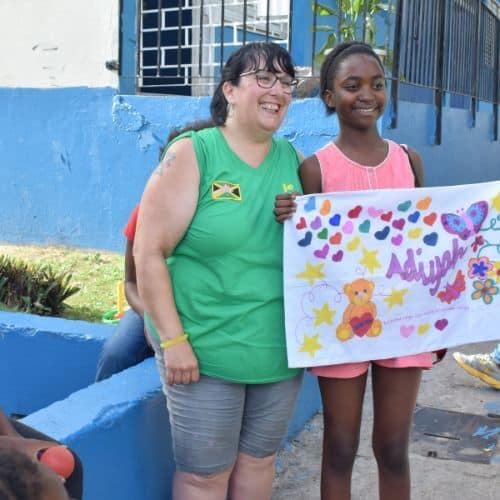
Jamaica’s tourism-driven economy masks ongoing gaps in elderly care, disability support, healthcare access, and environmental protection, especially in communities outside the resort corridors. Care homes often operate with limited staff, rural schools need extra classroom support, and coastal ecosystems face real pressure from plastic waste and coral degradation. Volunteers fill practical gaps that local organizations can’t always cover alone, whether that means sitting with an elderly resident for an afternoon or helping clear a beach ahead of turtle nesting season.
The social and environmental need behind the opportunities
Many of the communities JIP partners with rely on consistent outside support to maintain quality of care and environmental upkeep. Elderly care homes and special needs facilities frequently operate on tight budgets, and coastal cleanup efforts require ongoing manpower that local staff alone cannot sustain.
Cultural immersion and personal growth benefits
Living and working alongside Jamaican communities offers a depth of cultural exchange that sightseeing rarely provides. Volunteers build genuine relationships, pick up local customs and language rhythms, and often leave with a sharper sense of perspective, patience, and adaptability.
Who volunteering in Jamaica is best suited for
Students exploring a gap year, career-break professionals seeking purpose, and socially conscious travelers of nearly any age tend to thrive on these projects. Those most successful bring flexibility, a willingness to learn from local staff, and genuine interest in the community they’re joining rather than a checklist mentality.
Types of Volunteer Projects in Jamaica
JIP organizes its programs around seven distinct pathways, each addressing a different community need and drawing on different volunteer skill sets. Reviewing each option side by side makes it easier to see where personal interests and strengths align.
Volunteer Teaching
Classroom-based placements support Jamaican students with literacy, numeracy, and general subject tutoring, often in under-resourced schools where extra hands make a measurable difference. This pathway suits volunteers who enjoy working with children and have patience for a classroom setting, even without a formal teaching background. Full details are available on the Volunteer Teaching Abroad page.
Elderly Care Volunteering
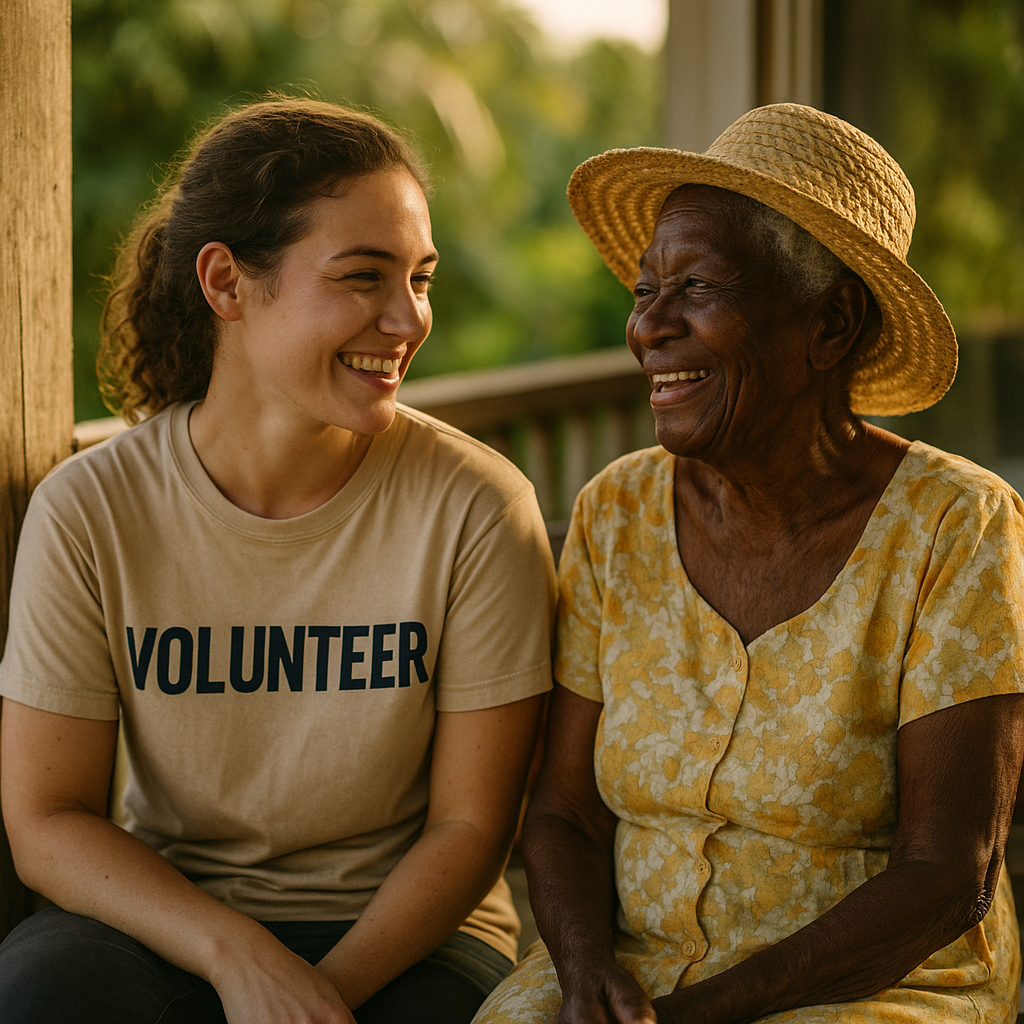
Volunteers spend time with residents at care homes, assisting with daily activities, conversation, and companionship that combats isolation among Jamaica’s elderly population. No medical certification is required, just warmth and reliability. Learn more on the Elderly Care Volunteer Abroad page.
Special Needs Care Volunteering
This pathway pairs volunteers with children and adults who have physical or developmental disabilities, supporting daily routines, therapy-adjacent activities, and social engagement. Patience and a calm, adaptable temperament matter more here than prior clinical experience. Details are on the Special Needs Care Volunteer Abroad page.
Medical Volunteering
Medical placements are geared toward those with healthcare training or students pursuing medical, nursing, or public health degrees, offering exposure to clinical settings and community health initiatives. This is the one pathway where relevant background knowledge genuinely shapes the day-to-day experience. See the Medical Volunteer Abroad page for specifics.
Volunteering at a Jamaica Orphanage
Orphanage placements involve mentoring, tutoring, and recreational activities with children in residential care, building consistency and positive role models into their week. Volunteers here should be comfortable with high-energy environments and emotionally present engagement. Explore the Volunteer at a Jamaica Orphanage page.
Beach Cleanup & Environmental Volunteering
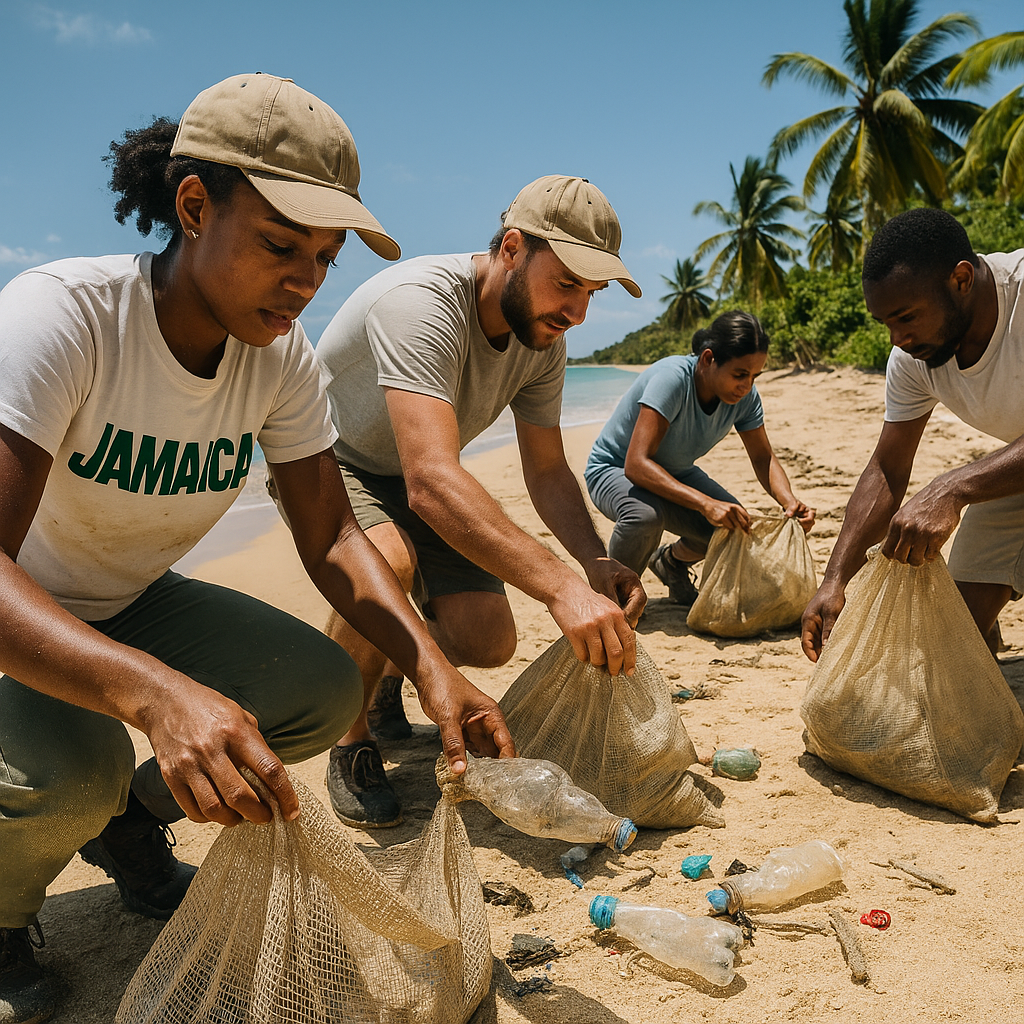
Coastal cleanup projects tackle plastic waste and debris along Jamaica’s shoreline, protecting marine habitats and supporting tourism-dependent local economies. This is a strong entry point for volunteers who want tangible, visible results within a short timeframe. Details live on the Beach Cleanup Volunteer Abroad page.
Online Volunteer Opportunities (No Travel Required)
For those unable to travel, remote roles support Jamaican organizations through tutoring, administrative help, or content creation from anywhere in the world. This pathway removes cost and logistics barriers entirely while still contributing real value. Full information is on the Online Volunteer Opportunities page.
How to Choose the Right Volunteer Program for You
Selecting a project comes down to an honest look at existing skills, available time, and personal comfort level with structure versus independence.
Matching your skills and interests to a project
Those with healthcare training naturally gravitate toward medical volunteering, while anyone drawn to working with children might consider teaching or orphanage support. Elderly care and special needs placements suit volunteers whose strength is patience and steady companionship rather than technical skill, and beach cleanup work is ideal for those wanting a physical, outdoor-focused role.
Duration options: short-term vs long-term
Some volunteers commit to a single day, particularly for environmental projects like beach cleanups, while others stay for weeks or months in care-based or teaching roles where relationship-building takes longer to develop. Shorter stays work well for travelers testing the waters or fitting volunteering around a broader itinerary; longer placements suit those seeking deeper immersion.
Group vs solo volunteering
Group placements offer built-in camaraderie and shared logistics, which can ease first-time nerves, while solo volunteering often allows more flexible scheduling and a more individualized connection with the local team. Neither approach is inherently better; the right choice depends on personality and comfort with unstructured social settings.
What to Expect: Safety, Housing, and Daily Life
Understanding daily logistics ahead of time removes much of the uncertainty around volunteering abroad.
Accommodation and meals while volunteering
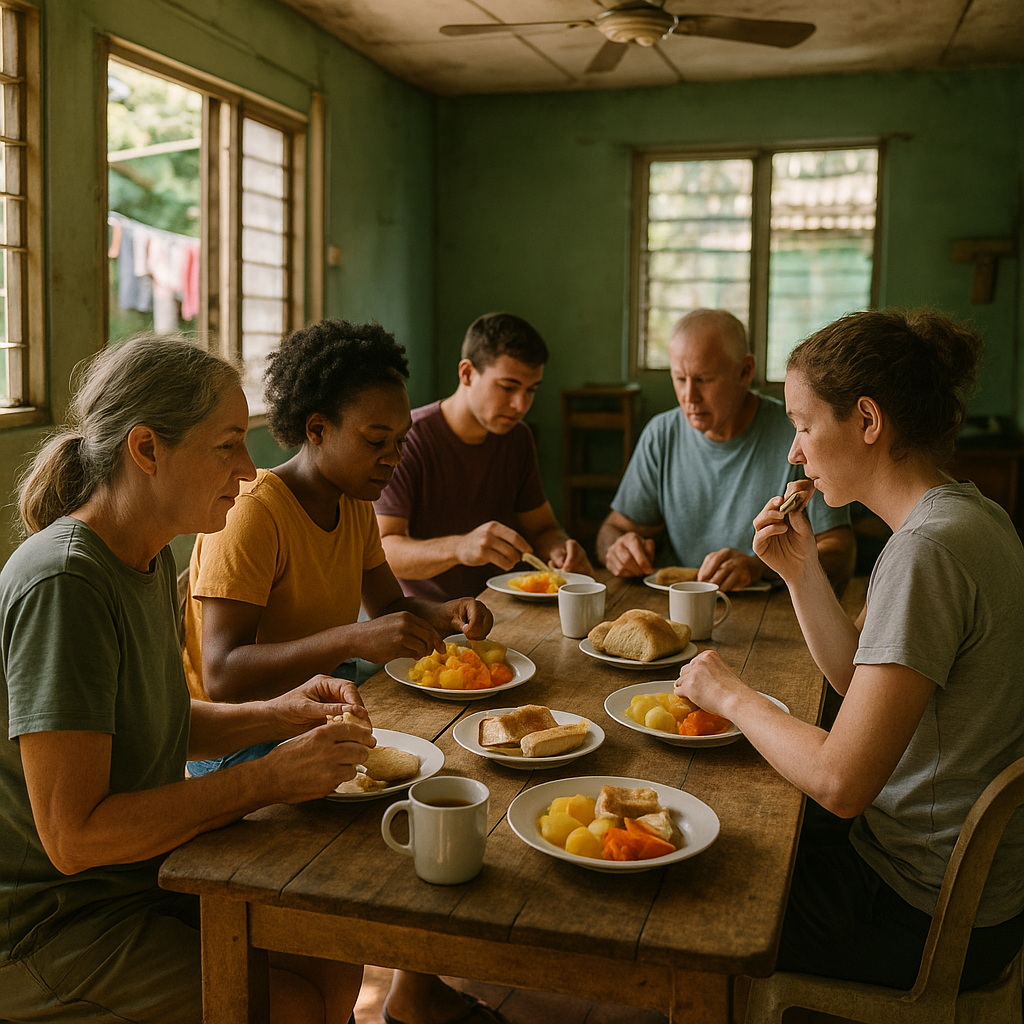
Volunteers are typically housed in vetted local accommodations with meals included as part of the program arrangement, though those seeking more independence can opt for placement-only arrangements, where JIP connects volunteers to a project and they organize their own housing and logistics separately.
Safety tips for volunteering in Jamaica
Standard travel safety practices apply: stay in communication with program coordinators, avoid unfamiliar areas after dark, keep valuables secure, and follow the guidance of local staff who know the community well. Programs are structured with local support networks precisely so volunteers aren’t navigating logistics or emergencies alone.
A typical day on a JIP project
Most placements follow a structured daily rhythm: mornings dedicated to the core project activity (classroom time, care visits, or cleanup work), followed by breaks for meals, and afternoons for either continued project work or free time to explore. For those with limited availability, JIP also offers one-day volunteer projects, ideal for travelers wanting a meaningful contribution without a multi-week commitment.
Cost of Volunteering in Jamaica
Budgeting realistically before applying prevents surprises once a program is underway.
What program fees typically cover
Program fees generally cover accommodation, meals, in-country coordination and support, and project supervision, bundling the essentials so volunteers don’t have to arrange each piece separately.
Additional expenses to budget for
International flights, travel insurance, visa costs where applicable, personal spending money, and any optional weekend excursions typically fall outside the program fee and should be planned for separately.
Ways to fundraise for your trip
Many volunteers offset costs through crowdfunding campaigns, small local fundraising events, employer or school sponsorship programs, or community grants aimed at supporting service-oriented travel. Starting a fundraising page early, with a clear explanation of the project and its community impact, tends to generate stronger support than a last-minute appeal.
How to Get Started with JIP
Getting from initial interest to a confirmed placement follows a fairly straightforward path.
Application process overview
Prospective volunteers submit an application indicating their preferred project type, availability, and relevant background, after which JIP matches them to a suitable placement and confirms program details. Those with questions before committing can book a 1-on-1 meeting with JIP to talk through options.
Preparing for departure
Once accepted, preparation involves securing travel insurance, arranging flights, checking any entry requirements, and packing appropriately—lightweight breathable clothing, modest attire for care and school settings, sun protection, and any project-specific items like closed-toe shoes for cleanup work.
Frequently asked questions from first-time volunteers
First-time volunteers commonly ask about minimum age requirements, necessary certifications, and how much prior experience matters. The FAQ section below addresses the most common concerns directly.
Frequently Asked Questions
Is volunteering in Jamaica safe?
Volunteering in Jamaica through a structured program is generally safe when standard precautions are followed—staying in contact with coordinators, avoiding unfamiliar areas at night, and relying on local staff guidance. Programs are designed with community support networks that help volunteers navigate day-to-day logistics securely.
How much does volunteering in Jamaica cost?
Costs vary by project type, duration, and whether accommodation is included. Program fees typically cover housing, meals, and in-country support, while flights, insurance, and personal spending remain separate expenses that volunteers should budget for individually.
What is the best volunteer program in Jamaica for beginners?
Beach cleanup and environmental projects are a strong starting point for first-time volunteers since they require no special skills, offer flexible short-term commitments, and produce immediate, visible results. Teaching and elderly care placements are also beginner-friendly options.
Do I need special skills or certifications to volunteer?
Most placements, including elderly care, special needs care, teaching, and beach cleanup, require no formal certification—just patience and reliability. Medical volunteering is the exception, generally suited to those with healthcare training or students pursuing medical-related degrees.
Can I volunteer remotely for a Jamaica-based project?
Yes. Online volunteer opportunities allow support through tutoring, administrative assistance, or content creation without travel, making this pathway accessible to anyone regardless of location or budget constraints.
How long do volunteer programs in Jamaica typically last?
Duration ranges from single-day projects, such as beach cleanups, to multi-week or longer placements in care-based and teaching roles. The right length depends on personal availability and how much immersion a volunteer is seeking.
What age do you need to be to volunteer abroad in Jamaica?
Age requirements vary by project type and are confirmed during the application process. Prospective volunteers with specific age-related questions can raise them directly when applying or during a planning conversation with the JIP team.
What should I pack for a Jamaica volunteer placement?
Lightweight, breathable clothing, modest attire for care homes and schools, sun protection, closed-toe shoes for environmental work, and any personal medications or documents are the essentials most volunteers pack for their placement.
Ready to make a difference? Explore JIP’s volunteer projects in Jamaica and find the program that fits your passion and schedule—apply today to start your journey.