Help protect species that exist nowhere else on Earth. Our wildlife conservation volunteer abroad program supports the critically endangered Jamaican iguana, the endemic Jamaican boa, and the island’s native parrots — plus hands-on animal care at Hope Zoo in Kingston.
Most visitors to Jamaica never hear about the Jamaican iguana — a species once thought extinct, rediscovered in the Hellshire Hills in 1990, and still critically endangered today. The same dry forest habitat shelters the endemic Jamaican boa, the island’s largest native snake, while black-billed and yellow-billed Amazon parrots depend on Jamaica’s remaining forest cover elsewhere on the island. None of these species exist anywhere else in the world.
Our wildlife conservation volunteer abroad program connects you directly to that work. You support species monitoring, habitat protection, and invasive species management efforts protecting Jamaica’s endemic wildlife, with hands-on animal care opportunities at Hope Zoo in Kingston rounding out a placement that mixes fieldwork with direct animal contact.
Wildlife conservation volunteering abroad in Jamaica is less about dramatic rescue moments and more about consistent, patient fieldwork — recording sightings, checking monitoring equipment, supporting habitat maintenance, and the unglamorous data collection that conservation programs actually run on. The Hope Zoo component adds a more direct, hands-on animal care dimension to balance the fieldwork.
Wildlife conservation projects exist all over the world. Here is what makes protecting Jamaica’s wildlife worth your time:
For 1-day or placement-only projects, placements are available at Hope Zoo and conservation partner sites in Kingston and St. Catherine. Turtle and other conservation projects might be seasonally available in Montego Bay and Portland. Full project placements are offered in Kingston and St. Catherine only.
This program is designed for biology, zoology, and environmental science students, wildlife enthusiasts, and anyone with a genuine interest in endangered species conservation. No prior fieldwork experience is required.
As a wildlife volunteer abroad in Jamaica, your activities depend on the season and current project priorities. Broadly, here is what is available:
The minimum age to enroll independently is 16 years old. Participants under 18 must have a parent or guardian involved in their enrollment. Once your application is accepted, submit the following before your project begins:
As an endangered species volunteer abroad, most of your fieldwork centers on the Jamaican iguana — still critically endangered despite recovery efforts since its 1990 rediscovery. Monitoring nest sites, recording sightings, and supporting headstart programs that raise hatchlings away from predators before release are all part of the ongoing recovery work you may contribute to.
Wildlife habitat conservation abroad in the Hellshire Hills means protecting Jamaica’s largest remaining dry limestone forest — the last significant stronghold for the Jamaican iguana and an important refuge for the Jamaican boa. Habitat degradation here directly threatens species that exist nowhere else.
A wildlife rescue volunteer abroad placement at Hope Zoo in Kingston gives you hands-on animal care experience — feeding, enclosure maintenance, and enrichment activities for resident animals — balancing the more observational fieldwork at conservation sites with direct daily animal contact.
Your Project Advisor accompanies you to your placement site for orientation, introducing you to conservation or zoo staff and walking through safety procedures, current priorities, and your specific role before any work begins.
You receive an official Volunteer Certificate signed by our Managing Director confirming your placement, your project, and your hours. If you need documentation of your hours for academic purposes, we work with your placement organization to provide as complete a record as possible.
By paying the enrollment fee, you are guaranteed a placement within our project and your dates are secured
Placement Only Enrollment Fee
One-Time Fee
1-Day Enrollment Fee
Start at
$150
Full projects include accommodation, meals, transportation and in-country support
$1,210
Total
$2,800
Total
$795
Per Additional Week
within an organization in Jamaica where you will volunteer or intern
at your project work site to support your project and make an impact
Di Real Jamaican membership is a mini course that teaches you about Jamaica
Full breakfast and dinner each day, and we cater to all diets or allergies
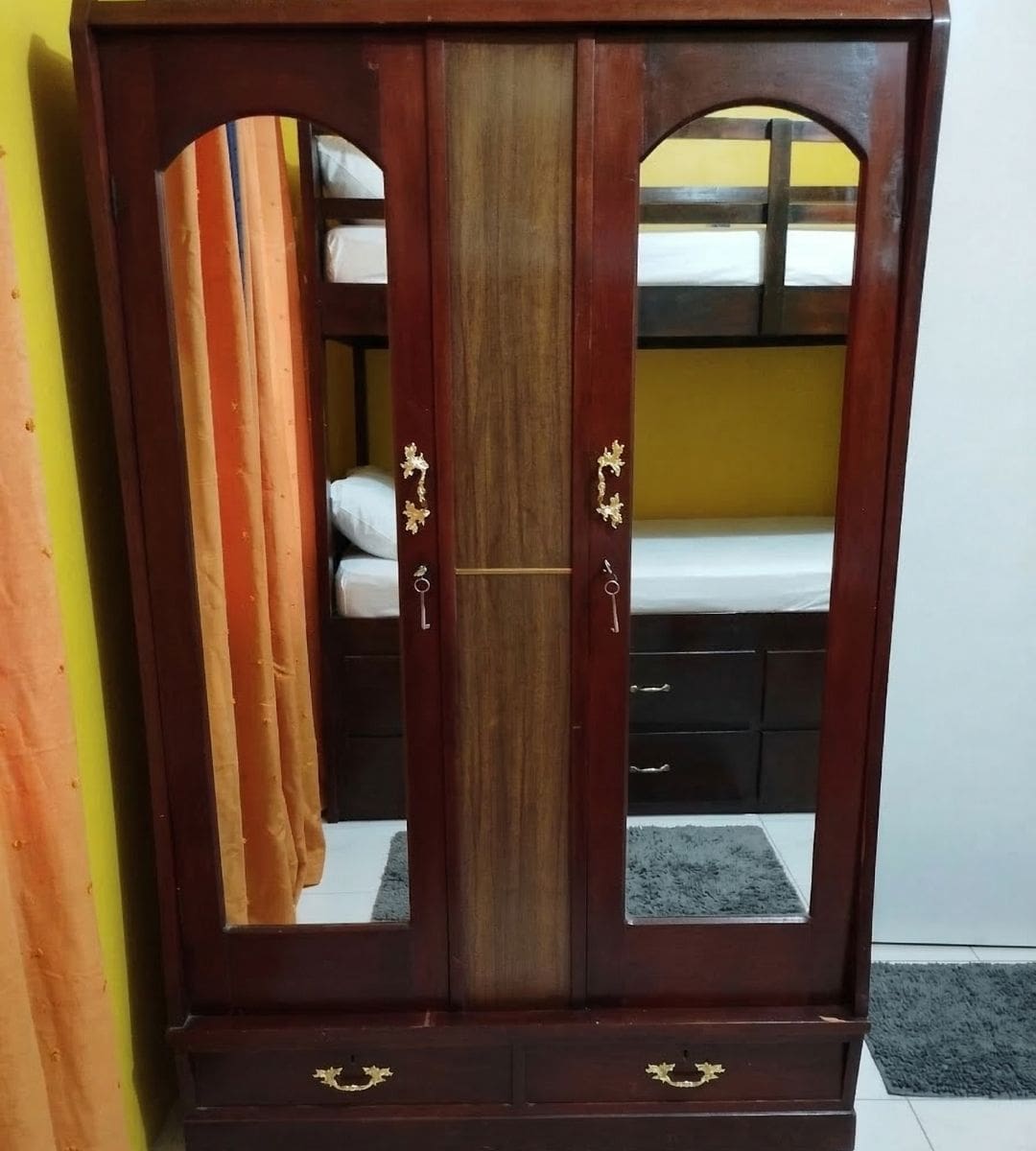
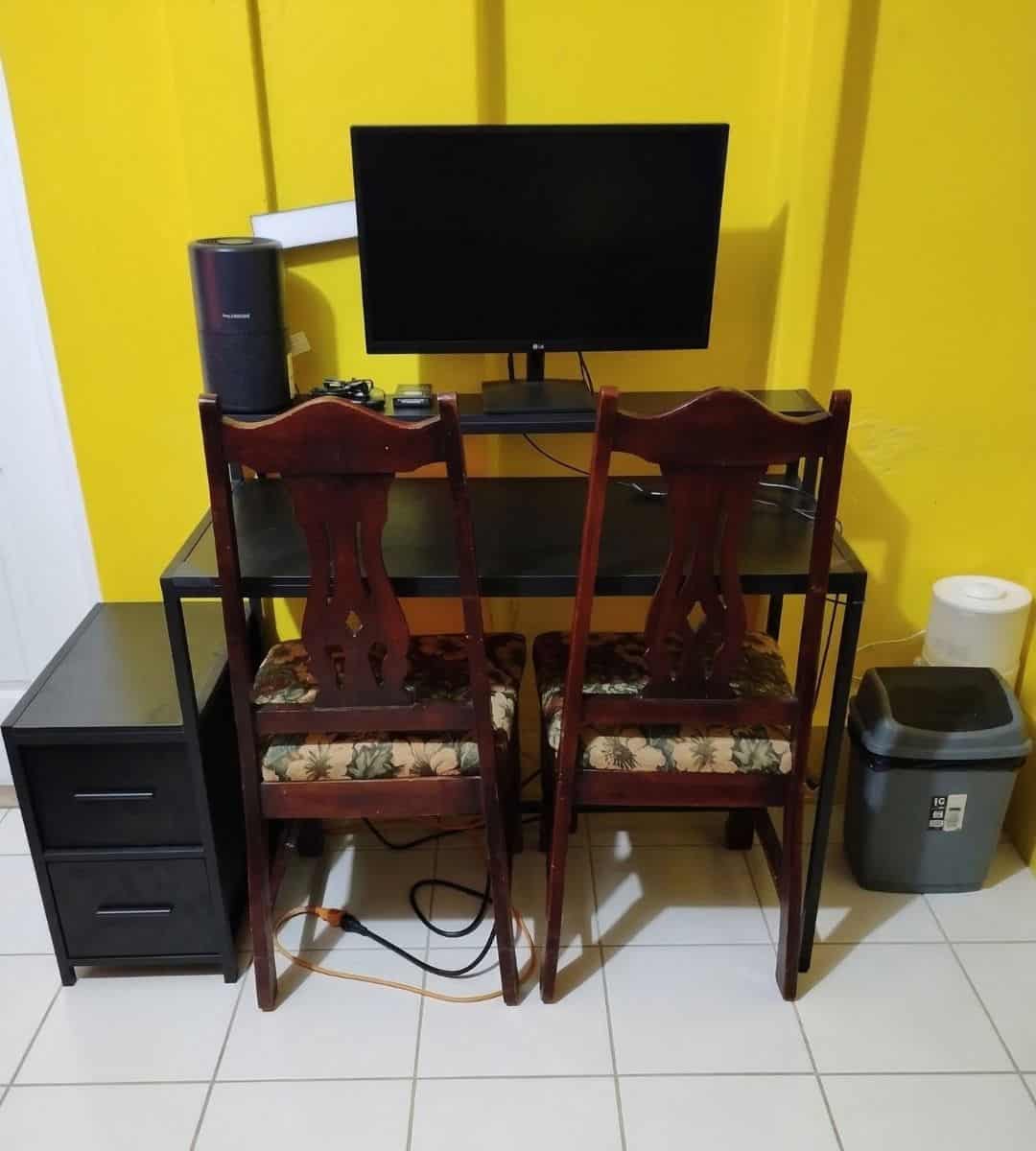
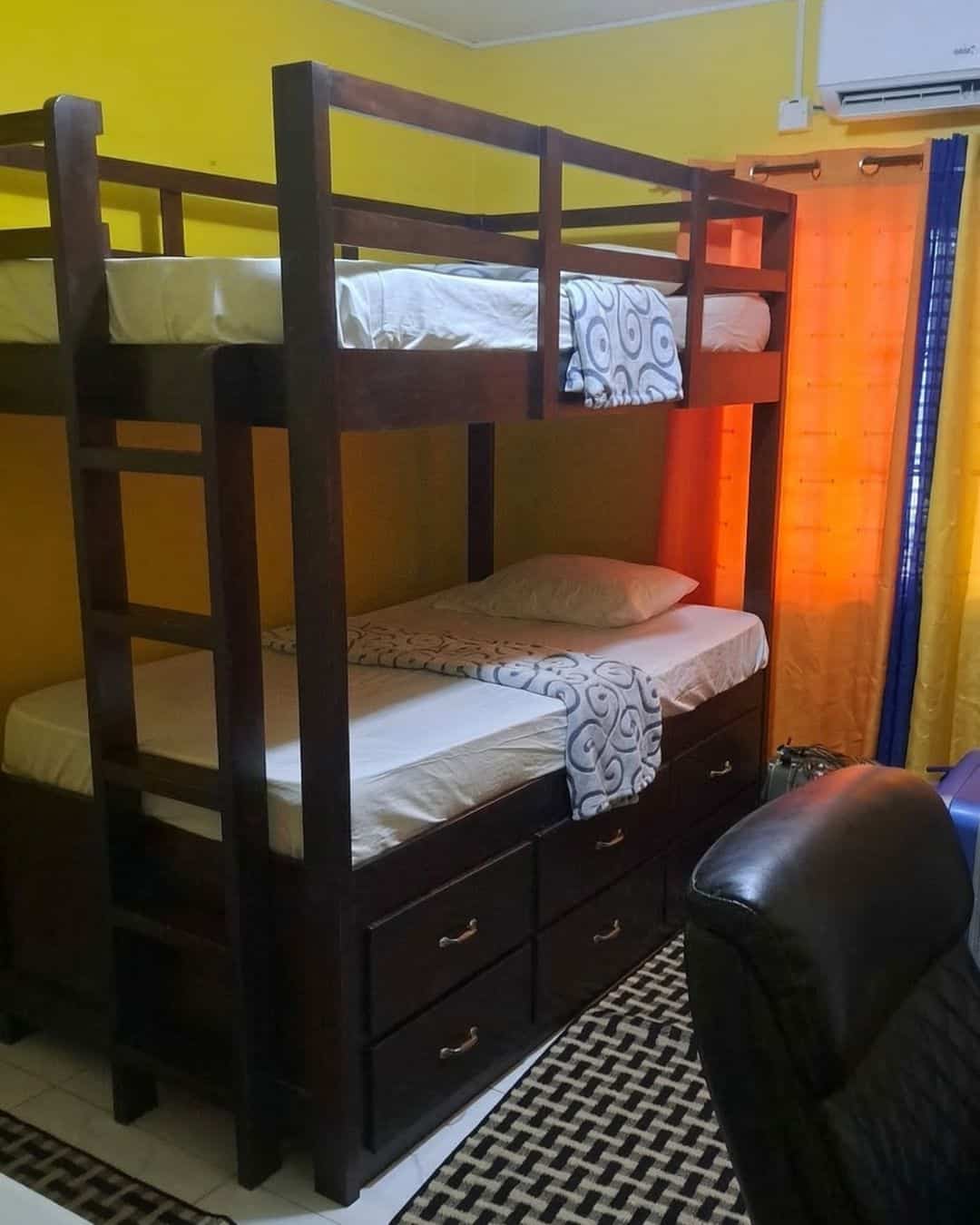
Live like a local in a shared dorm or private room with modern amenities
Daily project transfers and airport pickup and return
before your project begins, during your project and after you depart.
Throughout your project, enjoy outings to museums, ice cream, beaches & more
Project certificates & verification of your work hours after project completion
Shared dorm or private room with A/C
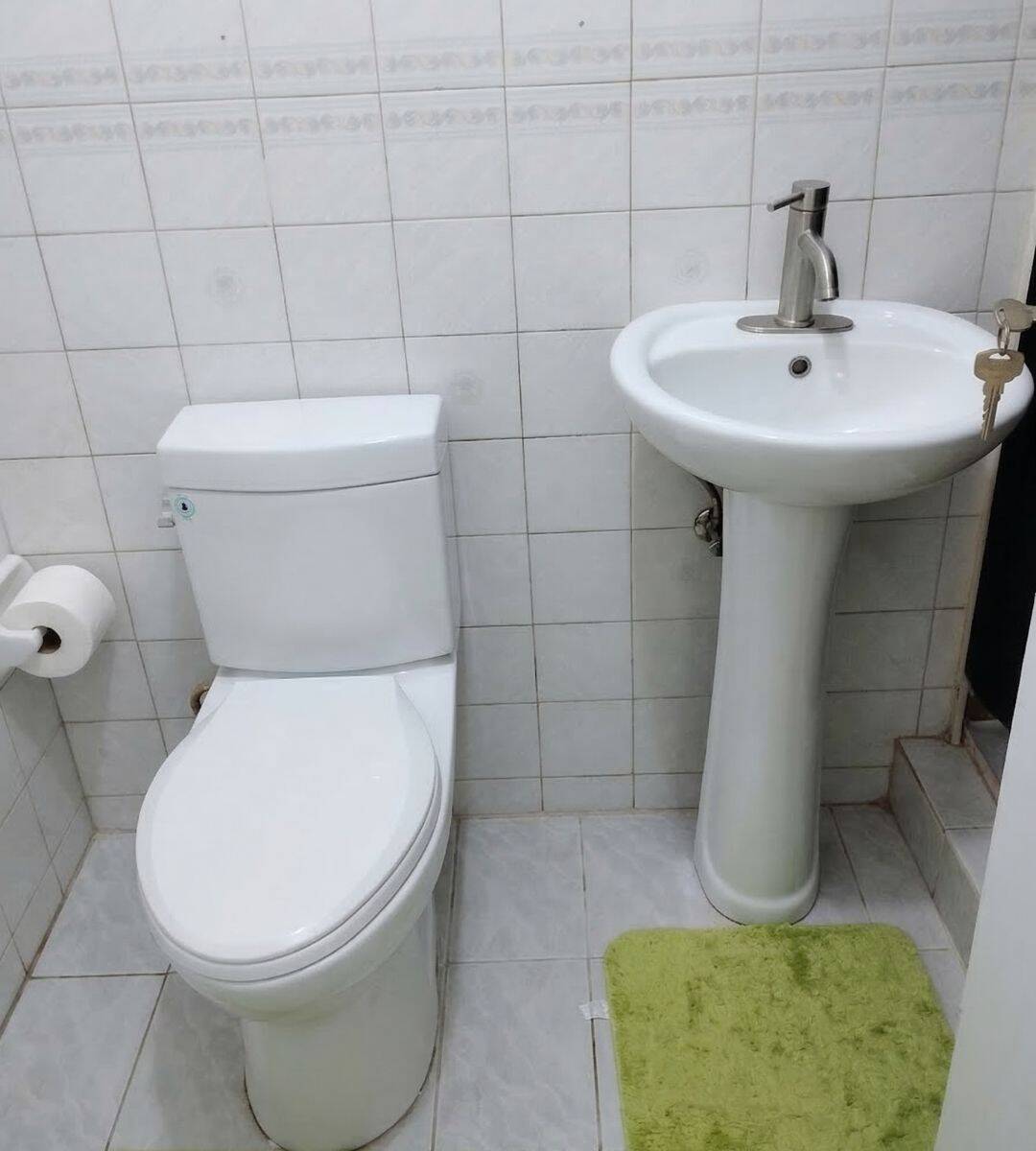
Clean bathrooms with hot shower
Free cable TV and Wi-Fi at your homebase
Secure home with cameras & panic button
Quiet family homebase to live like a local
Clean towels, washrags, pillows & bed linen
Rooms and common areas cleaned daily
Nightlife like games night & cooking classes
Welcome giftbag with goodies from JIP
Here is the structure and support in place:
When you are ready to apply, you can begin our simple enrollment process. Our team is always just a quick call or message away.
Read this page carefully. Consider whether you want a short 1-day experience or a longer placement, and which species or sites interest you most.
Read about us, browse reviews from past volunteers, download our brochure, and check our FAQ.
Talk through this project with your family or academic advisor. If you need documentation of your hours, identify that requirement now.
Reach out to our team and we will pair you with a Project Advisor who will review your interests and walk you through every step.
Complete the application form. We respond to every application within 48 hours.
Schedule a virtual meeting with your Project Advisor to discuss your placement and timing.
After your meeting, you receive a personalized offer email with your total cost and a breakdown of what is included.
Pay your Enrollment Fee and Project Tuition to lock in your placement and start date.
Once payment is confirmed, gather and send the following:
About a month before your start date, we hold a 30-minute onboarding session covering your placement site, current conservation priorities, and access to our online Jamaican culture, language, and travel safety courses.
Confirm your passport is valid for your full trip. Check visa requirements for Jamaica based on your nationality. Purchase travel medical insurance. Book your flights into Kingston.
Confirm all fees are paid and documents submitted. Pack your fieldwork gear and get ready to meet some genuinely unique animals.
It depends on the season and current population activity — they are elusive and still critically endangered, so sightings are not guaranteed on any given day. Your work supports the broader monitoring and habitat protection effort regardless of individual sightings.
No. Most fieldwork and animal care tasks require no prior experience — just genuine interest and a willingness to work outdoors. Biology and zoology students may take on more technical monitoring tasks depending on their background.
Yes, to a degree. Expect hiking on uneven dry forest terrain, working outdoors in heat, and standing periods during zoo-based animal care work. It is manageable for most reasonably fit volunteers.
Yes. Many volunteers split their time between wildlife conservation and another project — reforestation, beach cleanup, or teaching — during the same trip. Let your Project Advisor know if you would like a combined placement.
Flights, daily lunch, personal spending money, optional weekend excursions, travel insurance, visa fees where applicable, and personal fieldwork gear like binoculars are all outside the program fee. A full breakdown is included in your offer email.
Yes. Groups from schools, universities, or community organizations are welcome. Contact us to discuss group coordination and logistics.


All Year Round
1–3 Days | 1–12 Weeks
1-Day, Placement Only, Full Project
After you apply we will confirm availability and whether you are accepted within 48 hours.
Enroll in the project format you want below. Full Projects and Trips have payment plan options available.
We are updating our website to give you the best browsing experience. Please bear with us. You can still browse, submit forms, make a purchase or contact us.