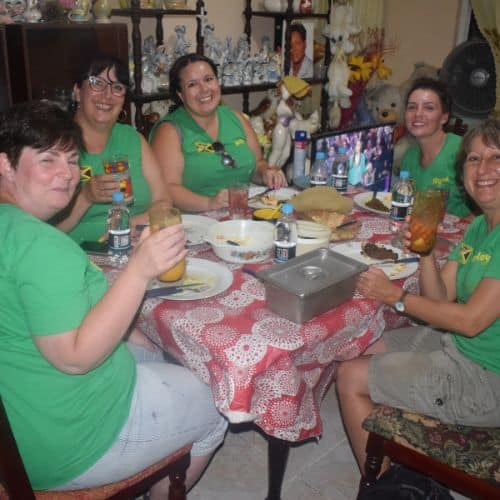
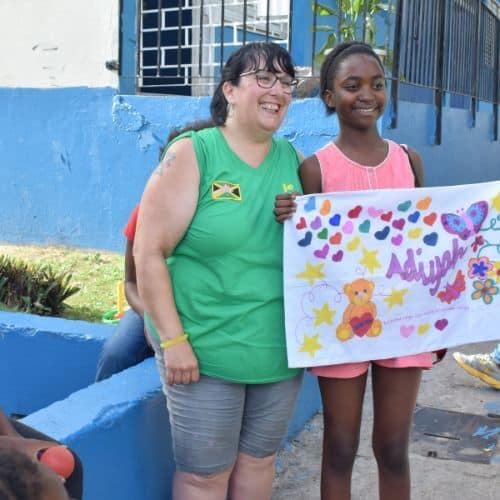
Put your knowledge of food, health, and dietetics to work in Jamaican communities where the need for nutrition education and professional guidance is real, urgent, and underserved.
Jamaica faces a serious and growing public health nutrition crisis. Chronic non-communicable diseases — diabetes, hypertension, obesity, and heart disease — are among the leading causes of death on the island, driven in large part by poor dietary habits and a lack of accessible nutritional guidance. At the same time, communities in rural and inner-city areas have limited contact with trained nutrition and dietetics professionals. Our nutrition volunteer abroad program places qualified nutritionists, dietitians, students, and health-conscious volunteers directly into these communities to make a measurable difference.
As a nutrition volunteer in Jamaica, you will work across clinics, schools, community centres, and households — delivering dietary assessments, running health education workshops, assisting with diabetic and hypertension clinics, and helping Jamaicans make informed choices about what they eat and why it matters. This is applied, community-facing public health nutrition work, not theoretical observation.
And while you contribute your expertise, Jamaica adds to yours. You will gain firsthand insight into Caribbean dietary patterns, food culture, and the public health challenges specific to small island developing states — experiences that sharpen your professional knowledge and broaden your worldview. Apply now and join the most impactful nutrition volunteer program in the Caribbean.
Jamaica is not the first destination that comes to mind for most nutrition volunteers — but it should be. Here is why this program stands apart:
For 1-day or placement-only nutrition volunteer abroad projects, placements are available at clinics, community health centres, and schools in Montego Bay, Falmouth, Kingston, and St. Catherine. Full project placements are offered in Kingston and St. Catherine only.
This project is open to anyone with a background in or passion for nutrition, dietetics, food science, public health, or related fields. Fully licensed nutritionists and dietitians can take on clinical and community-facing roles. Students and those without formal qualifications are matched to education-focused and community outreach placements. Up to 40 volunteer hours per week, with certificates of completion provided.
No formal qualification is required to join this project at the community education level. If you have a genuine interest in nutrition and food health and a commitment to your placement, you can contribute meaningfully. For clinical placements — dietary assessments, diabetic clinic support, nutritional counselling, and medical facility work — you should be a registered or licensed nutritionist, dietitian, or healthcare professional with relevant credentials. Please indicate your background clearly in your application so your placement is matched to your level and goals.
The minimum age to enroll independently is 16 years old. Volunteers under 16 must be accompanied by an adult. Once accepted, you will need to submit the following before your project begins:
Before your arrival, your Project Advisor will meet with you to discuss your background, your goals, and the specific communities and facilities where you will be placed. Jamaica’s nutrition challenges are varied and location-specific — what is needed in an inner-city Kingston community differs from what a rural St. Catherine school requires. We will help you design a project that is genuinely responsive to the needs on the ground, not a generic list of activities.
These activities reflect what is possible — your specific scope will be shaped around your qualifications and your placement site. Bring your own ideas and we will build them into your project.
Your Project Advisor accompanies you to your placement site on day one. You will be introduced to the team, given a walkthrough of the facility or community setting, and walked through your schedule for the week ahead. There is no ambiguity about what you are there to do — by the end of day one, you will be oriented, comfortable, and ready to get to work.
Your volunteering sessions typically run through the morning and into early afternoon. After that, Jamaica is yours. Our partner adventure company offers experiences across the island — waterfalls, beaches, coffee farms, cultural tours, and much more. Given your background in nutrition and food, you will likely find Jamaica’s extraordinary food culture — from jerk pits in Boston Bay to Jamaican fruit markets — as fascinating professionally as it is delicious personally.
You receive an official Volunteer Certificate signed by our Managing Director confirming your project, your hours, and your contribution. For students who need documentation of placement hours for academic purposes, or professionals who need records for continuing education credits, we work with your placement site to provide as detailed a record as possible.
Printed nutrition education materials, food models, visual aids, and health screening supplies can all enhance your sessions significantly — particularly in school and community settings where resources are limited. After acceptance, we send you a needs list from your specific placement site so you can prepare targeted materials rather than guessing. If you plan to conduct any blood glucose or cholesterol screening, confirm what equipment your site has available during your planning session.
By paying the enrollment fee, you are guaranteed a placement within our project and your dates are secured
Placement Only Enrollment Fee
One-Time Fee
1-Day Enrollment Fee
Start at
$150
Full projects include accommodation, meals, transportation and in-country support
$1,210
Total
$2,800
Total
$795
Per Additional Week
within an organization in Jamaica where you will volunteer or intern
at your project work site to support your project and make an impact
Di Real Jamaican membership is a mini course that teaches you about Jamaica
Full breakfast and dinner each day, and we cater to all diets or allergies
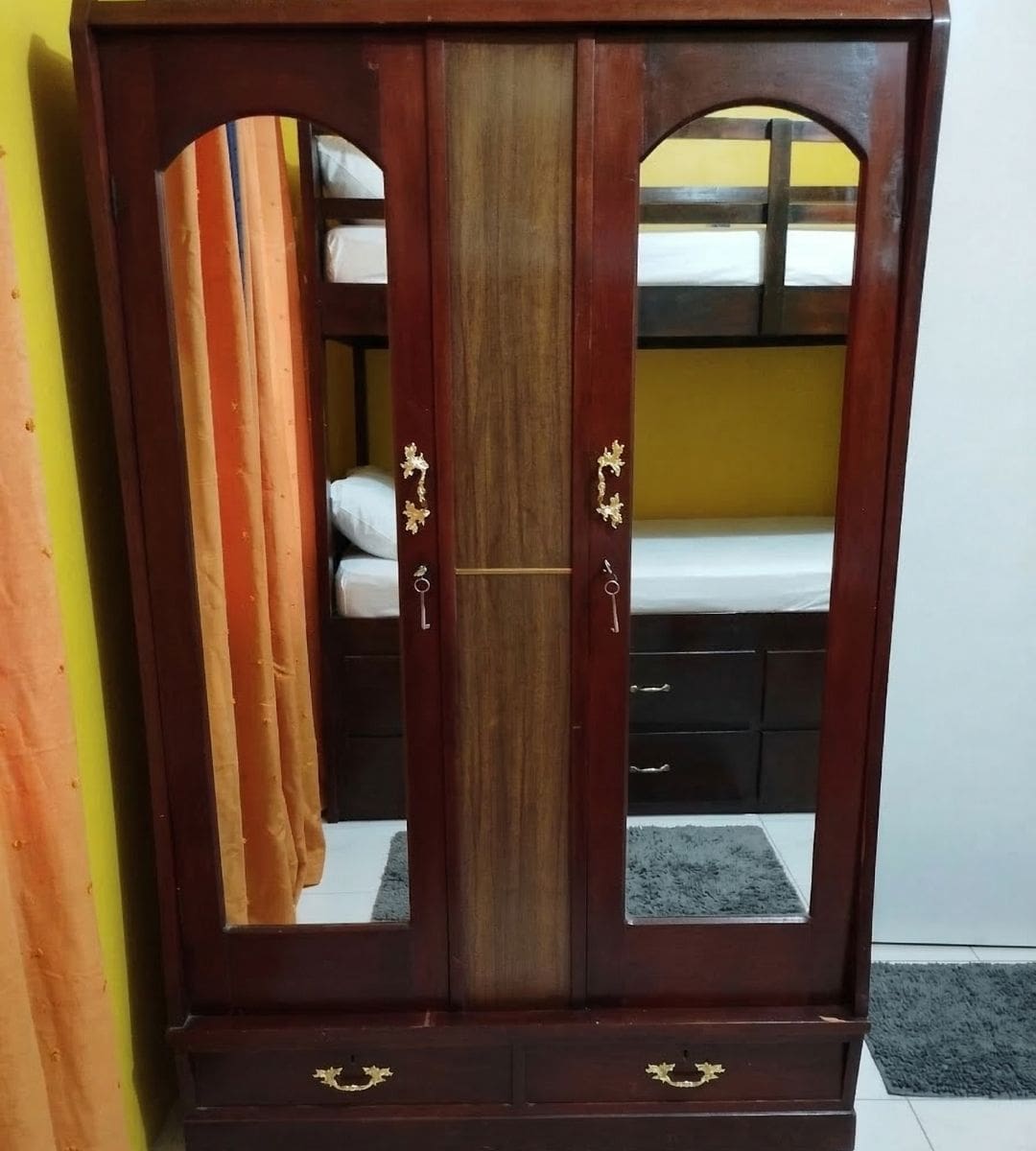
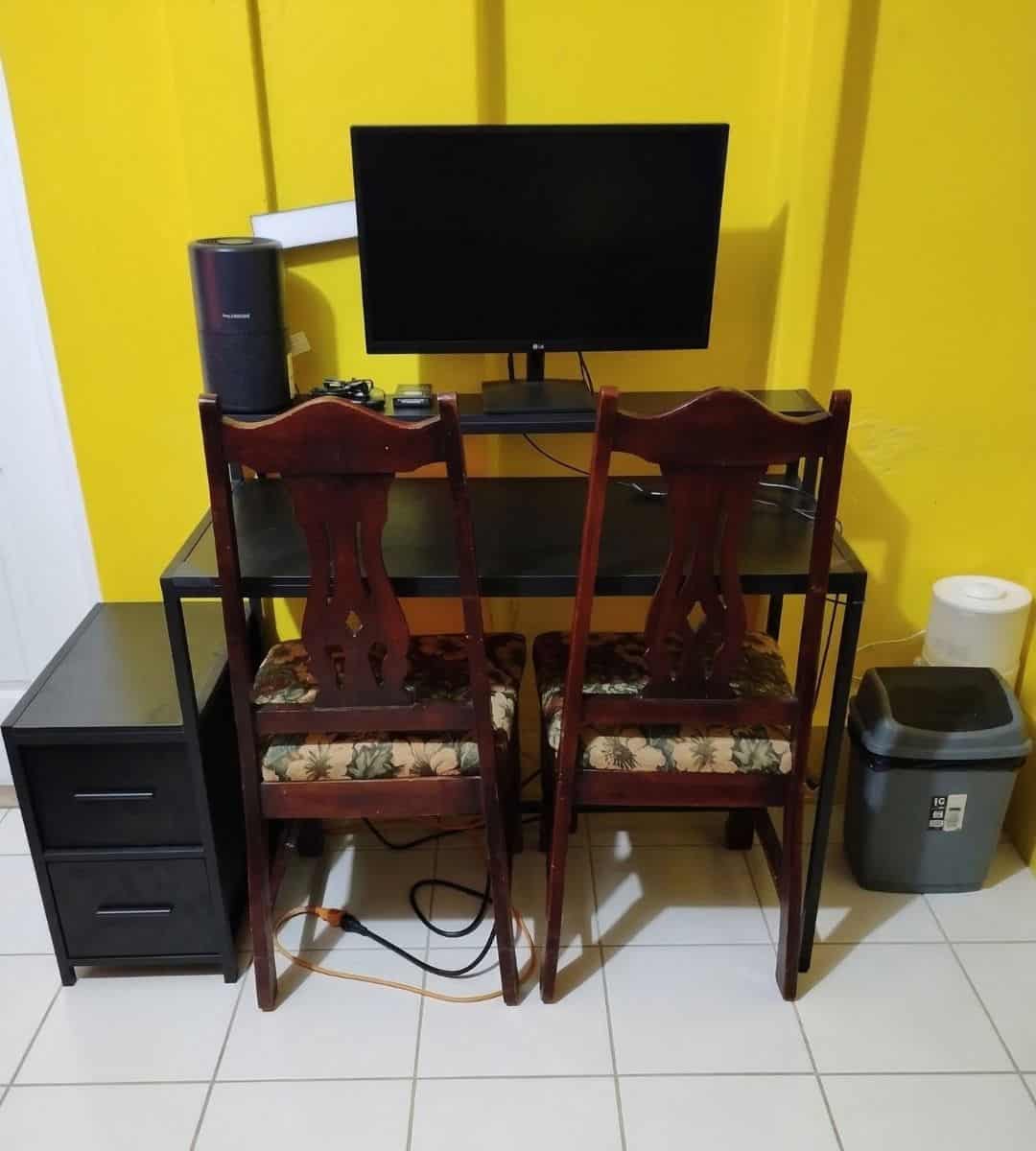
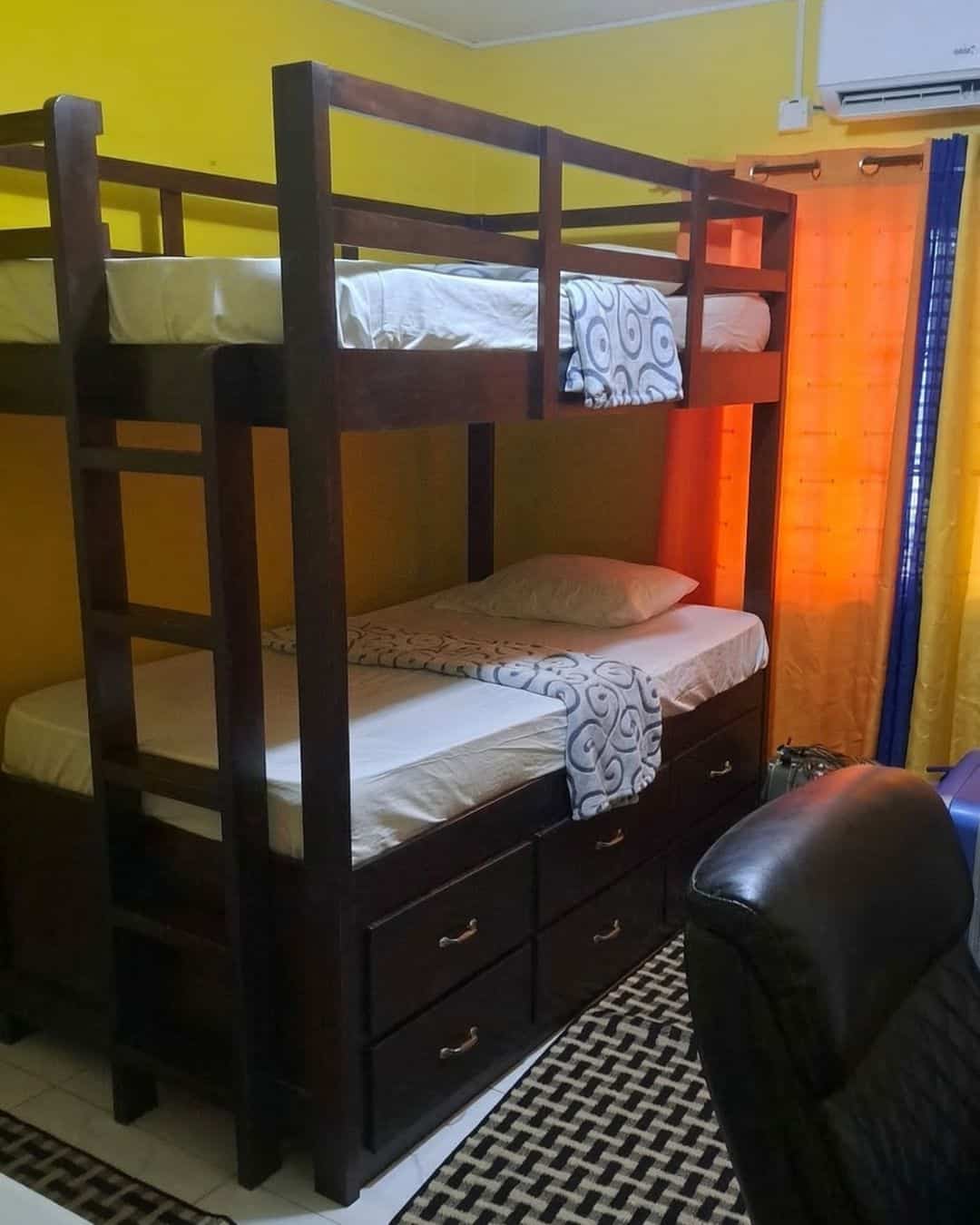
Live like a local in a shared dorm or private room with modern amenities
Daily project transfers and airport pickup and return
before your project begins, during your project and after you depart.
Throughout your project, enjoy outings to museums, ice cream, beaches & more
Project certificates & verification of your work hours after project completion
Shared dorm or private room with A/C
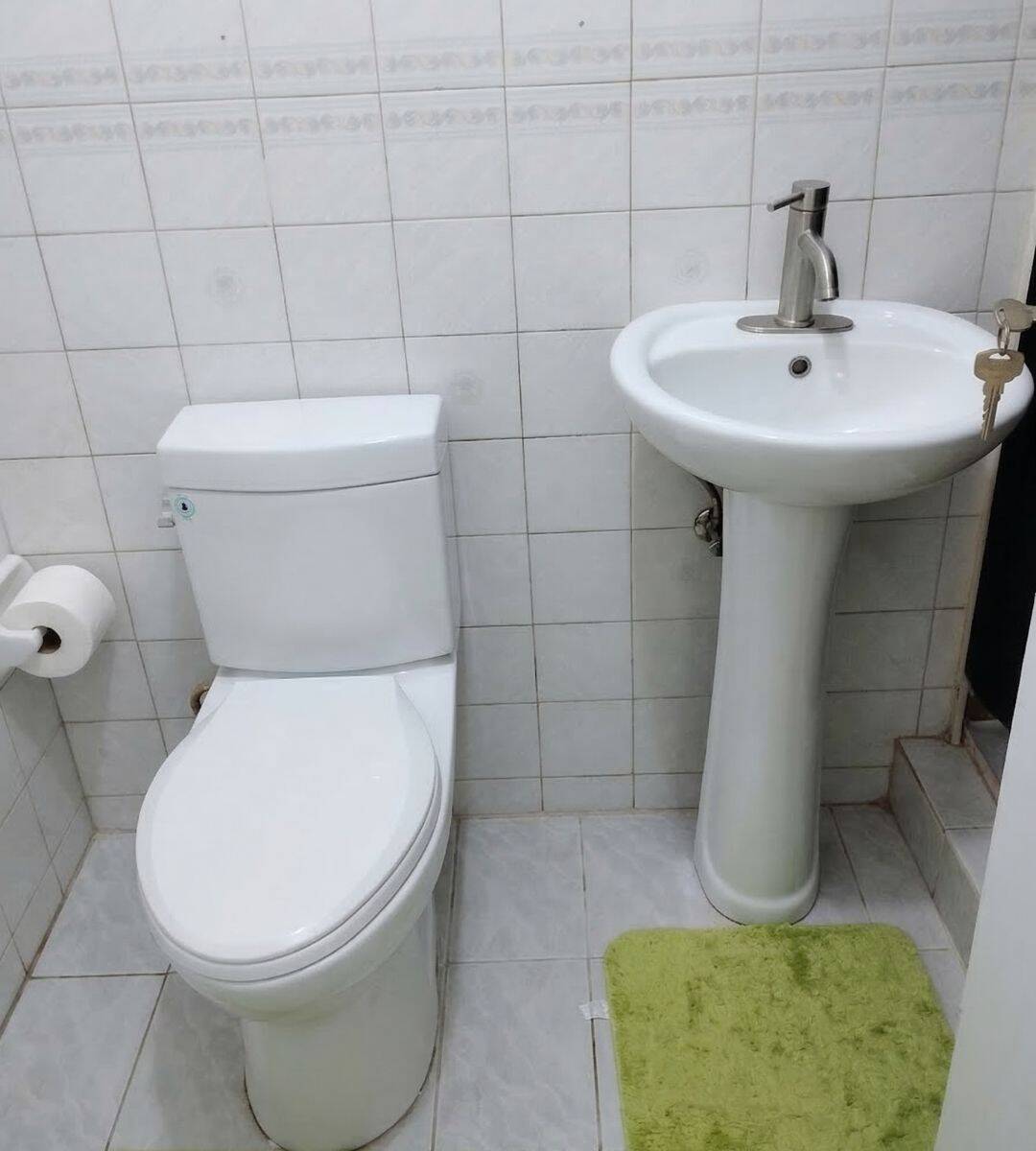
Clean bathrooms with hot shower
Free cable TV and Wi-Fi at your homebase
Secure home with cameras & panic button
Quiet family homebase to live like a local
Clean towels, washrags, pillows & bed linen
Rooms and common areas cleaned daily
Nightlife like games night & cooking classes
Welcome giftbag with goodies from JIP
Here is the support structure you can expect from your first day in the field to your last:
When you are ready to enroll in our nutrition volunteer abroad program in Jamaica, you can begin our simple enrollment process. Our team is always just a quick call or message away. Follow these steps to start planning and preparing for the volunteer experience of a lifetime.
Read this page thoroughly. Consider the placement level that matches your background, the duration and format that fits your schedule, and what you genuinely hope to contribute. Be honest with yourself about your qualifications — the better the match, the more effective your project will be.
Read about us, go through reviews from past volunteers, download our brochure, and browse our FAQ. The more you understand about how we work, the more you will get out of your project.
Talk through the project with your parents, partner, academic supervisor, or professional mentor. If you are pursuing placement hours for a nutrition or dietetics degree, loop your institution in early to confirm what documentation they require. Share our brochure or this page to bring them up to speed.
Reach out to us and we will connect you with a Project Advisor who will discuss your background, identify the most suitable placement for you, and walk you through the entire process from application to arrival.
Complete the application form. Applying is not a commitment — it is the starting point that allows us to match you to the right placement, give you tailored advice, and begin planning your project in detail. We respond to every application within 48 hours.
Schedule a virtual meeting with your Project Advisor via Zoom, Google Meet, or phone. Applicants under 18 must have a parent or guardian present on the call.
After your meeting you will receive a personalised offer email covering your total cost, a sample itinerary, a full breakdown of what is included, and a checklist of documents to submit.
Pay your Enrollment Fee and Project Tuition to lock in your placement and start date. Full payment upfront or a payment plan — whichever suits your situation.
Once payment is confirmed, gather and submit the following:
About a month before your start date, we hold a 30-minute onboarding session on Zoom or Google Meet. You will receive a formal welcome, a virtual orientation of Jamaica and your placement site, practical travel guidance, and access to our online Jamaican culture, language, and travel safety courses to complete before you leave home.
Confirm your passport is valid for the full duration of your trip. Check visa requirements for Jamaica based on your nationality. Purchase a travel medical insurance plan that covers your program dates. Book your flights into Montego Bay or Kingston.
Confirm all fees are paid and all documents submitted. Prepare your nutrition education materials and any equipment you plan to bring. Then pack your bags — the communities you are going to serve are waiting.
No. Community education placements — running workshops, teaching healthy eating habits in schools, and supporting outreach programs — are open to anyone with a genuine interest in food and health. Clinical placements involving dietary assessments, counselling, and medical facility work require relevant qualifications. Indicate your background clearly in your application and we will match you accordingly.
The primary concerns are diabetes, hypertension, obesity, and the diet-related factors that drive them — high sugar intake, processed food consumption, and limited awareness of balanced nutrition. You may also encounter nutritional deficiency issues in certain communities, particularly among children. Your Project Advisor will brief you specifically on the challenges at your placement site.
It may. We provide detailed placement documentation — hour logs, site descriptions, supervisor confirmation, and a formal completion certificate — that you can submit to your institution. Whether academic credit is awarded is your institution’s decision, so confirm what they require from you before you apply.
It depends on your placement. A community-level volunteer might spend the morning running a nutrition workshop at a local school, followed by a food demonstration at a community centre. A clinical volunteer might assist at a diabetic clinic, conduct dietary assessments, and co-run a group counselling session with a local nutritionist. Your Project Advisor helps you structure each day before your project begins.
Yes. Depending on availability at your placement site, shadowing and assisting a qualified local practitioner is one of the most valuable parts of a nutrition volunteering experience in Jamaica. It is especially useful for students and early-career professionals wanting to understand how nutrition practice adapts to different cultural and economic contexts.
Yes. Safety is built into every layer of how we operate — vetted placement sites, licensed transport, first-aid certified advisors on call, secure homestay accommodation with cameras and a panic button, and a 24/7 emergency line. More on our safety standards here.
Flights, daily lunch (~$3–5 USD), personal spending money, optional weekend excursions, travel insurance, visa fees where applicable, and any health screening equipment or nutrition materials you bring are outside the program fee. A full breakdown is in your offer email.
Yes. Groups are welcome and we can accommodate cohorts from the same institution or organisation. Each volunteer is placed according to their individual level and goals. Contact us to discuss logistics, group pricing, and how to coordinate multiple applications.
Our fundraising guide walks you through crowdfunding and approaching your university, employer, or professional association for support. Many nutrition and dietetics professional bodies offer development grants specifically for international community placements.
Yes. Read our reviews from past participants and ask your Project Advisor to connect you directly with a former volunteer if you would like a candid conversation before committing.


All Year Round
1-3 Days | 1-12 Weeks
1 Day, Placement Only, Virtual and Full Project
After you apply we will confirm availability and whether you are accepted within 48 hours.
Enroll in the project format you want below. Full Projects and Trips have payment plan options available.
We are updating our website to give you the best browsing experience. Please bear with us. You can still browse, submit forms, make a purchase or contact us.