Speak Japanese? Bring one of the world’s most fascinating languages to Jamaican students who have never had access to it — and take home an experience that will stay with you long after the trip ends.
Japanese is one of the most admired and sought-after languages in the world, yet for most Jamaican children, encountering a native or fluent speaker is almost unthinkable. Our volunteer to teach Japanese abroad program changes that. By joining this project, you bring the Japanese language directly into classrooms and community spaces where it has never been heard before.
Your days will be spent teaching conversational Japanese, sharing the richness of Japanese traditions, art, food, and popular culture — anime, origami, calligraphy, and more — with students who are eager to learn. In return, Jamaica opens up to you in a way that no resort holiday ever could. You will share meals with a local family, pick up Patois phrases, explore the island on weekends, and leave with friendships that cross continents.
Whether you are a Japanese language teacher, a university student, a Japan-based professional, or simply someone deeply connected to the language, this is your opportunity to do something genuinely meaningful with that knowledge. Apply today and secure your place.
Japan and Jamaica have more in common than their initials — both cultures are proud, creative, and deeply community-oriented. Here is what makes this volunteer project worth doing:
For 1-day or placement-only teach Japanese abroad projects, we can place you at schools and community centres in Montego Bay, Falmouth, Kingston, and St. Catherine. For full projects, we offer placements in Kingston and St. Catherine only.
You do not need a teaching degree or formal certification to join this project. If you can hold a confident conversation in Japanese and you are excited about sharing the language and culture, you are qualified. That said, if you hold a JLPT certification, a degree in Japanese studies, or a formal teaching qualification, let us know during your application — you may be eligible for a more advanced or specialised placement.
The minimum age to enroll without an accompanying adult is 16 years old. Once your application is reviewed and accepted, you will need to provide the following documents before your project begins:
Before your arrival, your Project Advisor will schedule a planning session with you to map out your lessons and activities. Japanese culture offers an incredibly rich toolkit for teaching — there is no shortage of engaging material to work with. We will help you shape it into a program that suits your students’ ages and abilities.
These are starting points. You know your subject best — bring your own ideas and we will help you run with them.
Your Project Advisor will accompany you to your volunteer site on day one. You will be introduced to the school or community centre staff, given a walkthrough of the facilities, and settled into your role before your first session begins. By the end of the day, you will know where to buy lunch, who to go to with questions, and exactly what the week ahead looks like.
After your sessions each day, the rest of Jamaica is yours to explore. Our partner tour and adventure company offers experiences across the island — hiking the Blue Mountains, river tubing in Falmouth, visiting Bob Marley’s birthplace, or just unwinding on a world-class beach. Weekends are entirely your own, and we are happy to help you plan them.
When your project is complete, you will receive an official Volunteer Certificate signed by our Managing Director confirming your hours and contribution. If you need additional documentation for university credit, community service records, or an employer, we are glad to provide it.
The more you bring, the richer your lessons will be. Physical cultural items — a yukata, chopsticks, Japanese snacks, printed hiragana charts, origami paper — make an enormous impression on students who have only ever seen Japan on a screen. We will send you a full resources and packing guide after your acceptance so you have time to gather materials and, if you choose, run a small fundraiser at home to cover the cost.
By paying the enrollment fee, you are guaranteed a placement within our project and your dates are secured
Placement Only Enrollment Fee
One-Time Fee
1-Day Enrollment Fee
Start at
$150
Full projects include accommodation, meals, transportation and in-country support
$1,210
Total
$2,800
Total
$795
Per Additional Week
within an organization in Jamaica where you will volunteer or intern
at your project work site to support your project and make an impact
Di Real Jamaican membership is a mini course that teaches you about Jamaica
Full breakfast and dinner each day, and we cater to all diets or allergies
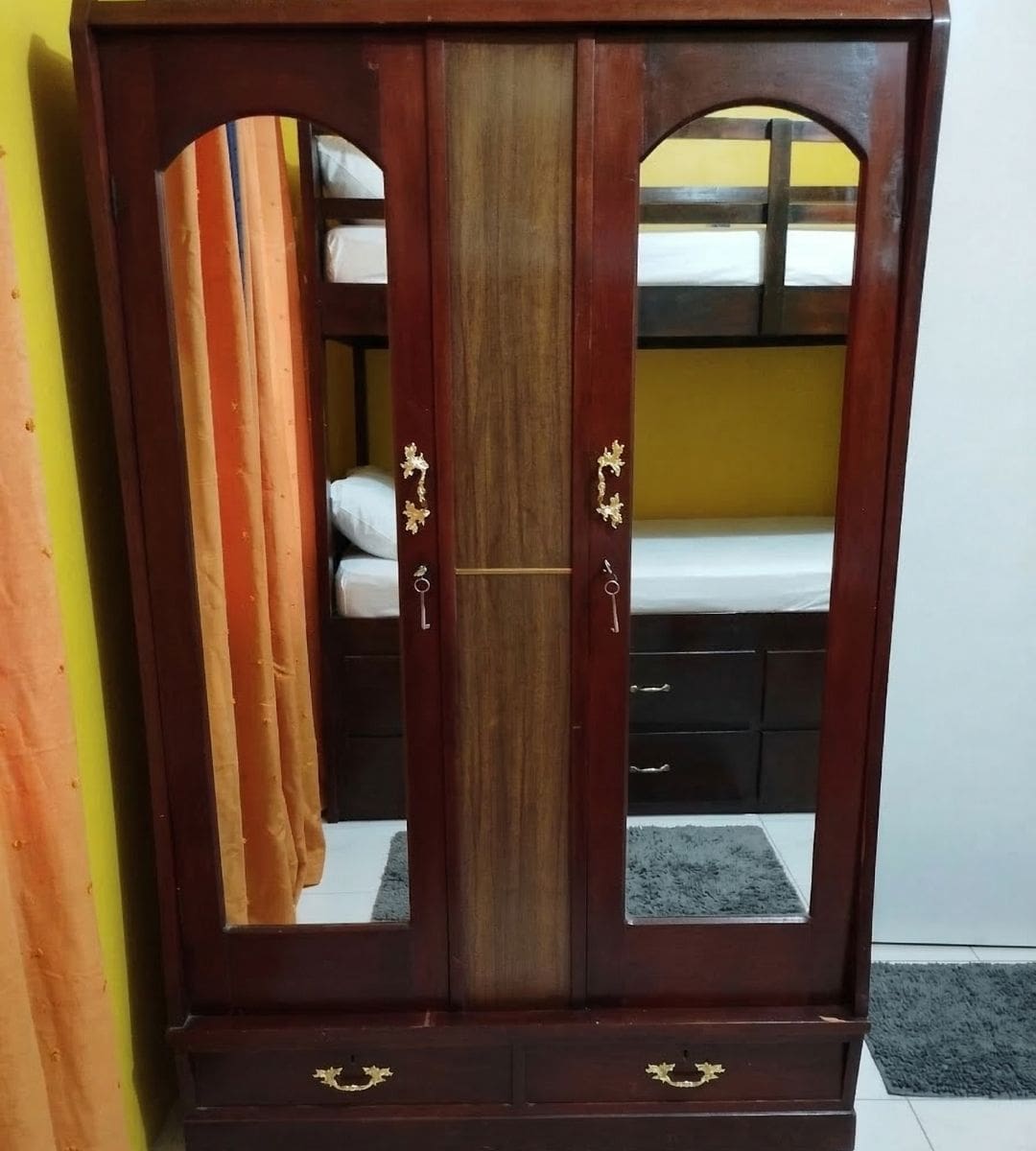
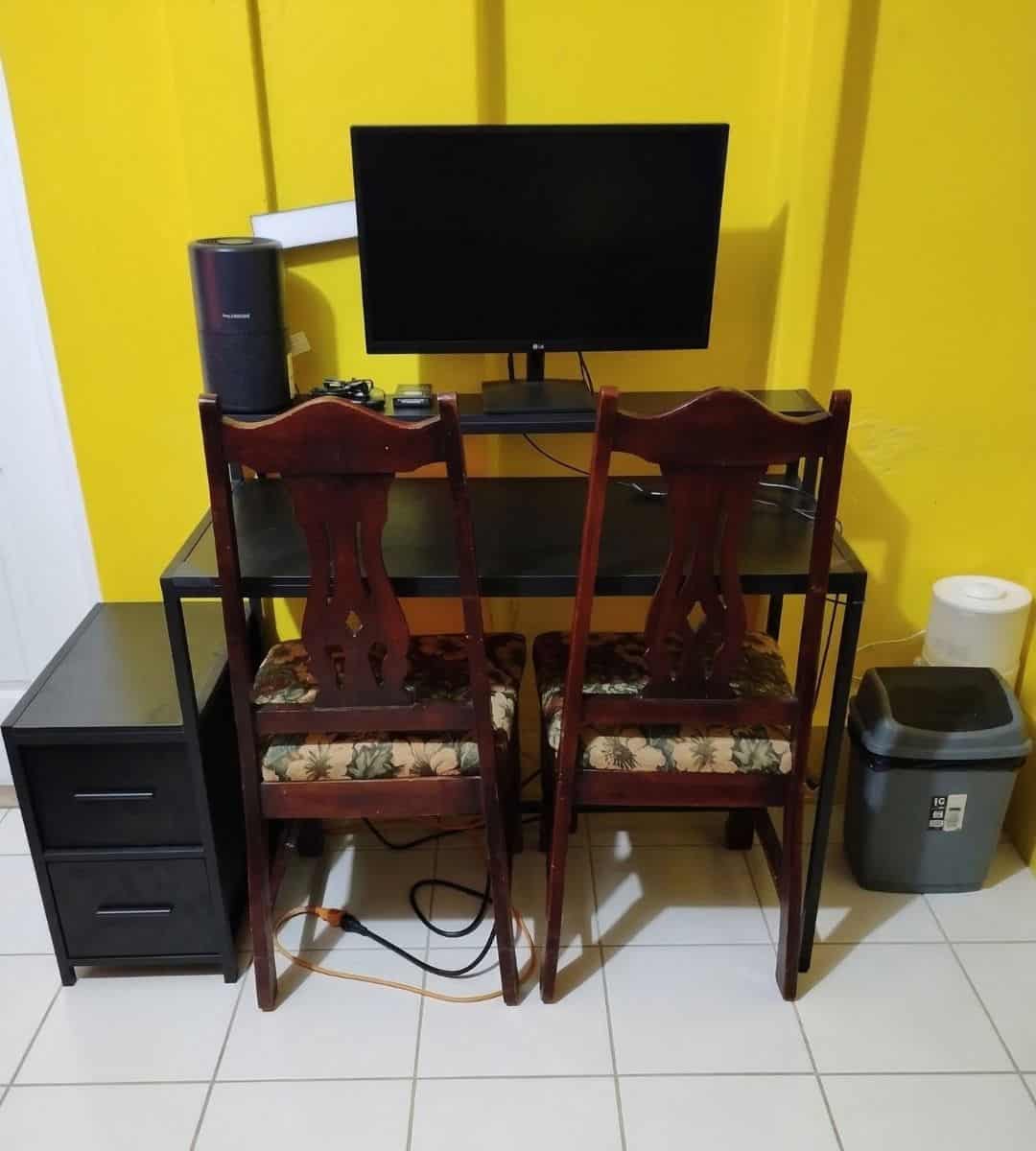
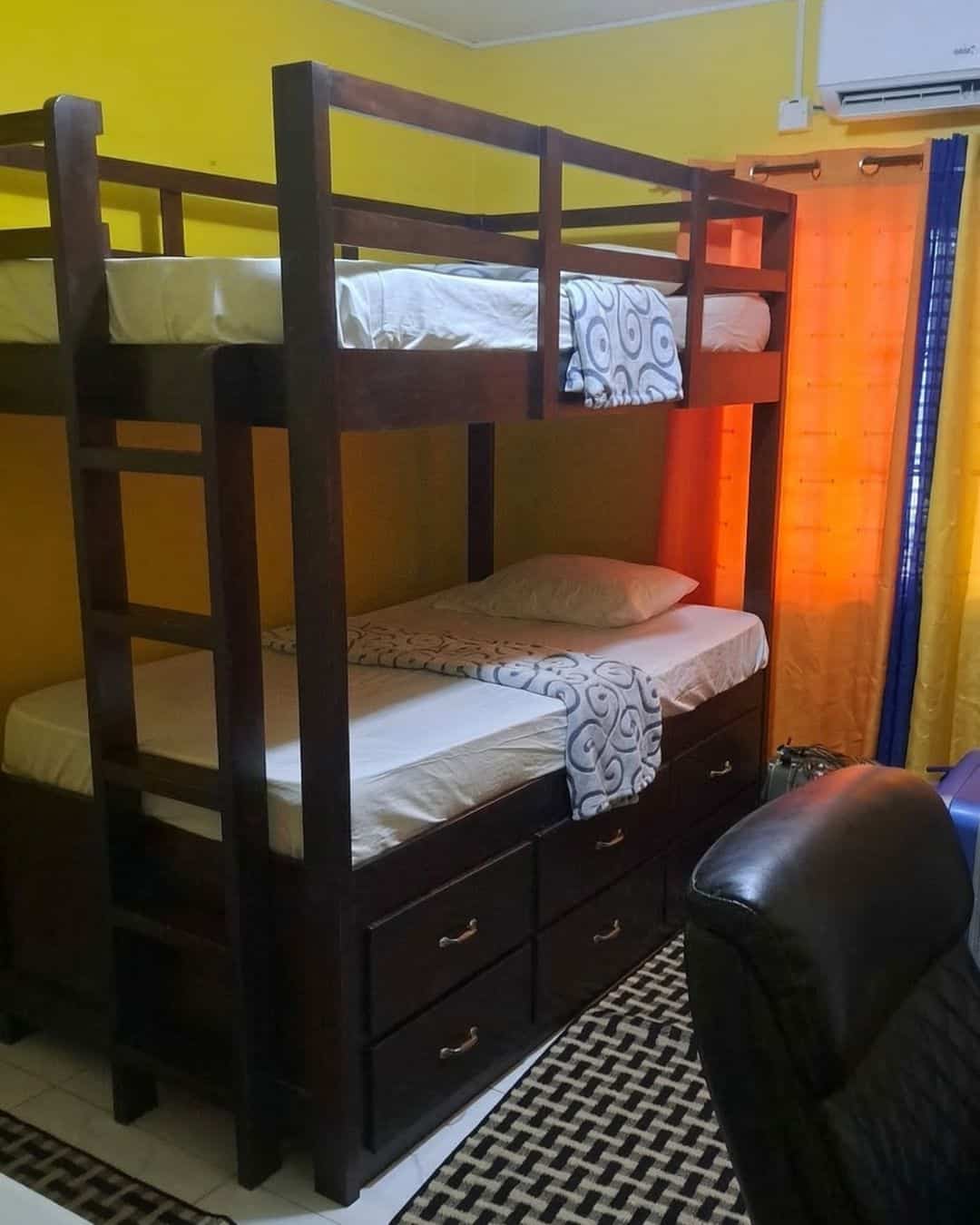
Live like a local in a shared dorm or private room with modern amenities
Daily project transfers and airport pickup and return
before your project begins, during your project and after you depart.
Throughout your project, enjoy outings to museums, ice cream, beaches & more
Project certificates & verification of your work hours after project completion
Shared dorm or private room with A/C
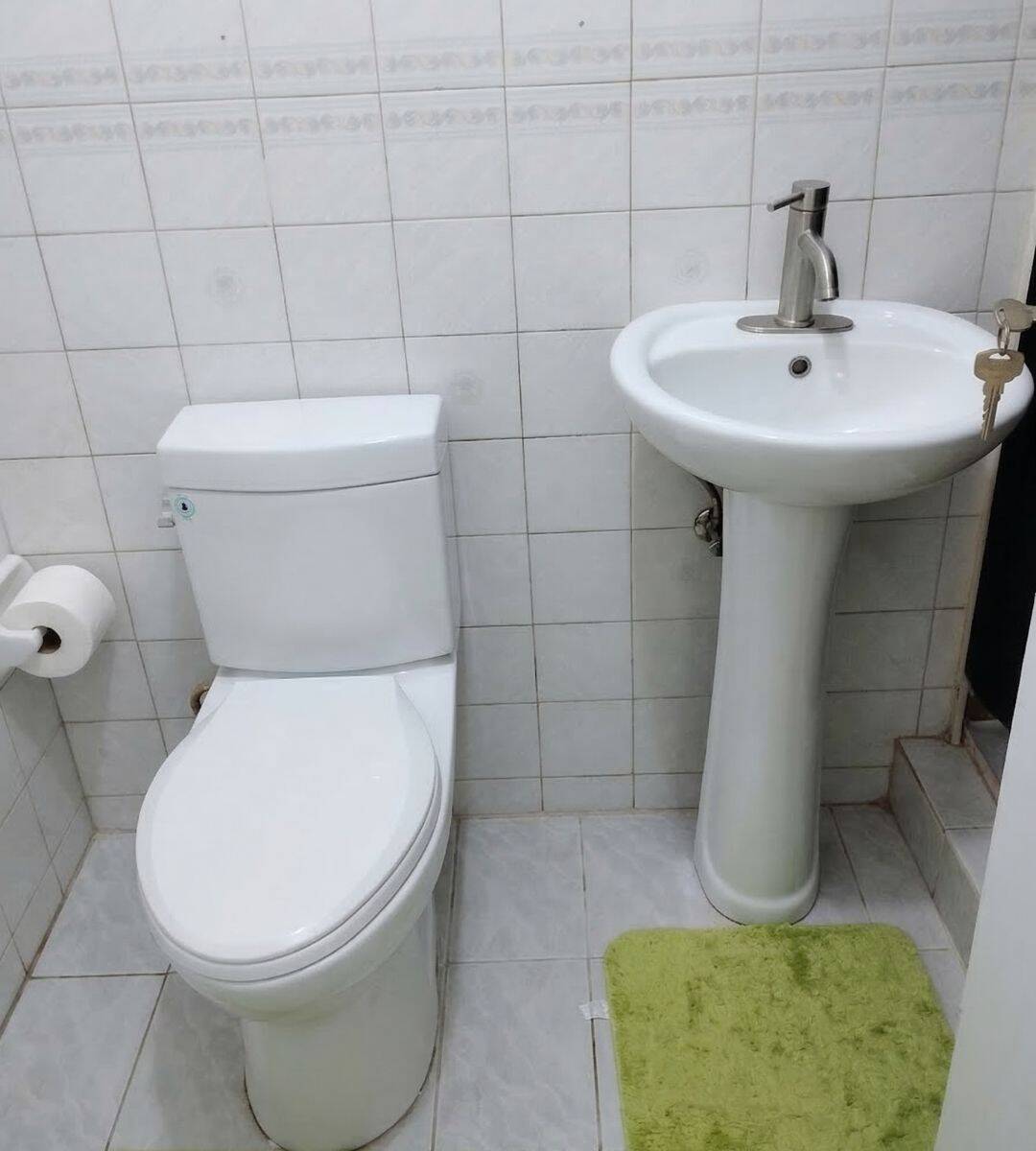
Clean bathrooms with hot shower
Free cable TV and Wi-Fi at your homebase
Secure home with cameras & panic button
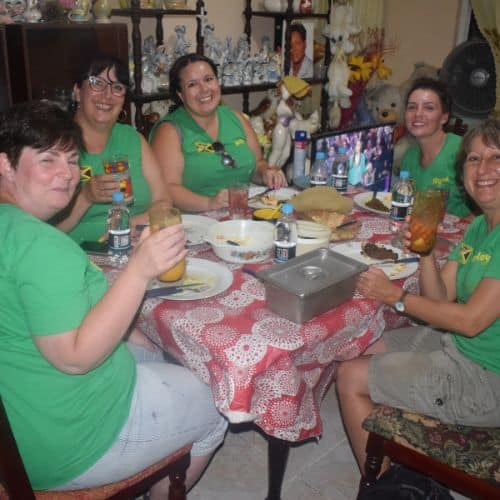
Quiet family homebase to live like a local
Clean towels, washrags, pillows & bed linen
Rooms and common areas cleaned daily
Nightlife like games night & cooking classes
Welcome giftbag with goodies from JIP
From the moment you land to the day you fly home, you will have a clear structure and a team behind you. Here is what a typical full project looks like day to day:
When you are ready to enroll in our volunteer to teach Japanese abroad program in Jamaica, you can begin our simple enrollment process. Our team is always just a quick call or message away. Follow these steps to start planning and preparing for the volunteer experience of a lifetime.
Read through this page carefully, including the project details, costs, and what is expected of you. Think about your goals for the trip and whether this program is the right fit for your schedule and budget.
We encourage you to do your due diligence. Read about us, go through our reviews from past volunteers, download our brochure, and browse our FAQ.
Talk it through with the people in your life — parents, a guardian, close friends, or your academic advisor. Share this page or our brochure with them so they understand what the program involves and can support your decision.
Get in touch with our team and we will pair you with a Project Advisor. They will walk you through the enrollment process, answer every question you have, help you define your goals, and arrange a call with your family if needed.
Submit your application. Applying does not lock you into anything — it simply allows us to start building a customised plan for your teach Japanese abroad project and give you accurate, personalised advice. We respond to all applications within 48 hours.
Book a virtual meeting with your Project Advisor via Zoom, Google Meet, or phone. Volunteers under 18 must have a parent or guardian on the call.
You will receive a personalised offer email laying out your total cost, a sample itinerary, everything that is included, and a checklist of documents to submit.
Pay the Enrollment Fee and the Project Tuition to lock in your dates. You can pay in full upfront or arrange a payment plan — just ask your Project Advisor.
Once payment is confirmed, begin gathering and submitting the following:
About a month before your start date, we will host a 30-minute onboarding session on Zoom or Google Meet. You will receive a formal welcome, a virtual orientation of Jamaica and your project site, practical tips for your stay, and access to our online language, culture, and travel safety courses to complete in your own time.
Confirm your passport is valid for the full duration of your trip, check whether you need a visa to enter Jamaica from your country, purchase a travel medical insurance plan that covers the length of your volunteer program, and book your flights.
Do a final check — all fees paid, all documents submitted, bags packed, and flights booked. Your Project Advisor will confirm everything is in order. Then you are ready. Jamaica and your students are waiting.
No formal teaching certificate is required. What we need is a genuine command of the Japanese language and the enthusiasm to share it. If you hold a JLPT certification, a degree in Japanese studies, or a formal teaching qualification, mention it during your application as it may open additional placement options.
You should be able to hold a confident conversation in Japanese and explain basic concepts clearly. You do not need to be a native speaker, but you should feel comfortable teaching elementary vocabulary, pronunciation, and cultural content without a script.
Yes — we welcome volunteers travelling together. As long as at least one person in your group is a fluent Japanese speaker, the rest can still contribute meaningfully to the project. Shared accommodation is available subject to availability.
You will be at your volunteer site for most of the morning and early afternoon, running lessons or activities planned with your Project Advisor. Sessions might include spoken Japanese, writing practice, cultural demonstrations, or creative workshops. After that, the afternoon is yours.
Yes. Safety is a core part of how we operate. Your accommodation is in a secure family home with cameras and a panic button. All transport is handled by vetted, licensed drivers. A first-aid certified Program Advisor is available throughout your stay, and you will complete our online travel safety course before you arrive. Read more about our safety standards.
Flights, daily lunch at your site (~$3–5 USD), personal spending money, optional tours and excursions, travel insurance, visa fees where applicable, and teaching materials are all excluded. Your offer email will include a full, itemised breakdown.
We accept credit card and international bank transfer. A payment plan is available for full-project enrollments — ask your Project Advisor when you receive your offer. Note that credit card payments carry a 5% processing fee.
Absolutely. There are no nationality restrictions on this program. Jamaica does not require visas for most nationalities, but we recommend checking your country’s specific entry requirements before booking flights.
Yes — please do. Visit our reviews page to read feedback from volunteers who have completed projects with us. You can also request to speak directly with a past volunteer during the enrollment process.
We do not offer direct financial assistance, but our fundraising guide is a practical resource for setting up a crowdfunding campaign or approaching your school or employer for support. Many universities and companies have grants or bursaries available for volunteer travel that go unclaimed each year.