Get your hands in the soil that grows some of the world’s most distinctive crops. Our agriculture internships abroad place students and graduates on working Jamaican farms and agricultural operations — coffee, sugar cane, banana, allspice, and a growing organic and sustainable farming sector.
Jamaica’s agricultural identity runs deeper than its food exports. Blue Mountain coffee, allspice (the only place in the world it grows commercially at this scale), ginger, cocoa, and banana have shaped the island’s rural economy for centuries, while a newer generation of organic and sustainable farms is rethinking how tropical agriculture can work with the land rather than against it. For agriculture and agricultural science students, that mix of tradition and innovation is genuinely instructive.
Our agriculture internships abroad place you on real working farms and agricultural operations across Jamaica — not a demonstration plot, but active production sites with real yield targets, real pest and weather challenges, and real decisions about sustainability and profitability being made in real time. Depending on your track, you might support crop production, assist with livestock management, contribute to sustainability research, or help with the business side of running a farm.
An agricultural science internship abroad in Jamaica might involve soil testing and crop yield analysis on a coffee estate, pest and disease monitoring on a banana farm, or sustainability assessments on an organic vegetable operation. Placements are matched to your specific coursework, so a horticulture student and an agricultural economics student end up doing genuinely different work.
Most agriculture programs send students to the same regional farms every year. Here is what makes Jamaica different:
For placement-only projects, placements are available at farms, agricultural cooperatives, and research stations in Montego Bay, Falmouth, Kingston, and St. Catherine. Full project placements are offered in Kingston and St. Catherine only.
This program is designed for agriculture, agricultural science, agronomy, horticulture, and environmental science students at undergraduate or graduate level, as well as early-career professionals seeking international farming experience. No prior farming experience is required, though a genuine willingness to do physical outdoor work in tropical conditions is essential.
Most tracks are open to students with no prior farming experience, provided you bring genuine interest and a willingness to do physical fieldwork. Research-focused and agribusiness placements benefit from current enrollment in an agricultural science, agronomy, or related program. Tell us your coursework and interests honestly in your application and we will match you to a placement where you can contribute meaningfully.
The minimum age to enroll is 18 years old, given the physical fieldwork, equipment exposure, and outdoor conditions involved in farm placements. Once your application is accepted, submit the following before your internship begins:
A sustainable agriculture internship abroad in Jamaica connects you with farms actively shifting toward organic methods, water conservation, and reduced chemical input — a genuinely live transition rather than an established system. You see firsthand the practical tradeoffs involved in moving a working farm toward more sustainable practices while still meeting production targets.
Your Project Advisor will help you select the track that matches your training and goals:
Supporting the transition toward organic methods, composting systems, and reduced chemical input on working farms.
Hands-on work in planting, cultivation, pest and disease monitoring, and harvest for coffee, banana, allspice, and other Jamaican crops.
Supporting daily animal care, feed management, and herd health monitoring on livestock operations.
Assisting with farm records, equipment maintenance scheduling, irrigation documentation, and the operational side of running a farm.
Supporting research into crop yield, soil health, and sustainable land-use practices. Suited to agricultural science and environmental science students.
A farm internship abroad means real physical work — early mornings, outdoor conditions, and tasks that change with the season and the weather. A typical day on a Jamaican farm internship abroad might include harvest work in the morning, equipment maintenance midday, and farm records documentation in the afternoon, depending on your specific placement and track.
Before you arrive, your Project Advisor holds a planning session to confirm your track, your host farm, and your specific responsibilities. Placements are matched to actual seasonal needs at partner farms, so your exact schedule and tasks are confirmed once your placement is finalized — typically two to three weeks before your start date.
For students specifically drawn to organic methods, an organic farming internship abroad in Jamaica connects you with farms using composting, natural pest control, and chemical-free cultivation — increasingly common across the island’s smaller producers, and a genuinely different system to study than large-scale conventional agriculture.
Not every agriculture internship is fieldwork. An agribusiness internship abroad focuses on the operational and commercial side — farm records, supply chain logistics, export documentation, and the financial decisions that determine whether a farm is sustainable as a business, not just as a growing method. This track suits students with an agricultural economics or business background.
Your Project Advisor accompanies you to your host farm for orientation, introducing you to your supervisor and walking through farm safety procedures, your specific role, and the season’s priorities. The first few days typically involve shadowing experienced farm staff before you take on independent responsibilities.
You receive an official Agriculture Internship Certificate signed by our Managing Director, a letter of recommendation from your placement supervisor, and a detailed record of your projects and responsibilities — documentation formatted to support academic credit submissions, job applications, or graduate program applications.
By paying the enrollment fee, you are guaranteed a placement within our project and your dates are secured
Placement Only Enrollment Fee
One-Time Fee
1-Day Enrollment Fee
Start at
$150
Full projects include accommodation, meals, transportation and in-country support
$1,210
Total
$2,800
Total
$795
Per Additional Week
within an organization in Jamaica where you will volunteer or intern
at your project work site to support your project and make an impact
Di Real Jamaican membership is a mini course that teaches you about Jamaica
Full breakfast and dinner each day, and we cater to all diets or allergies
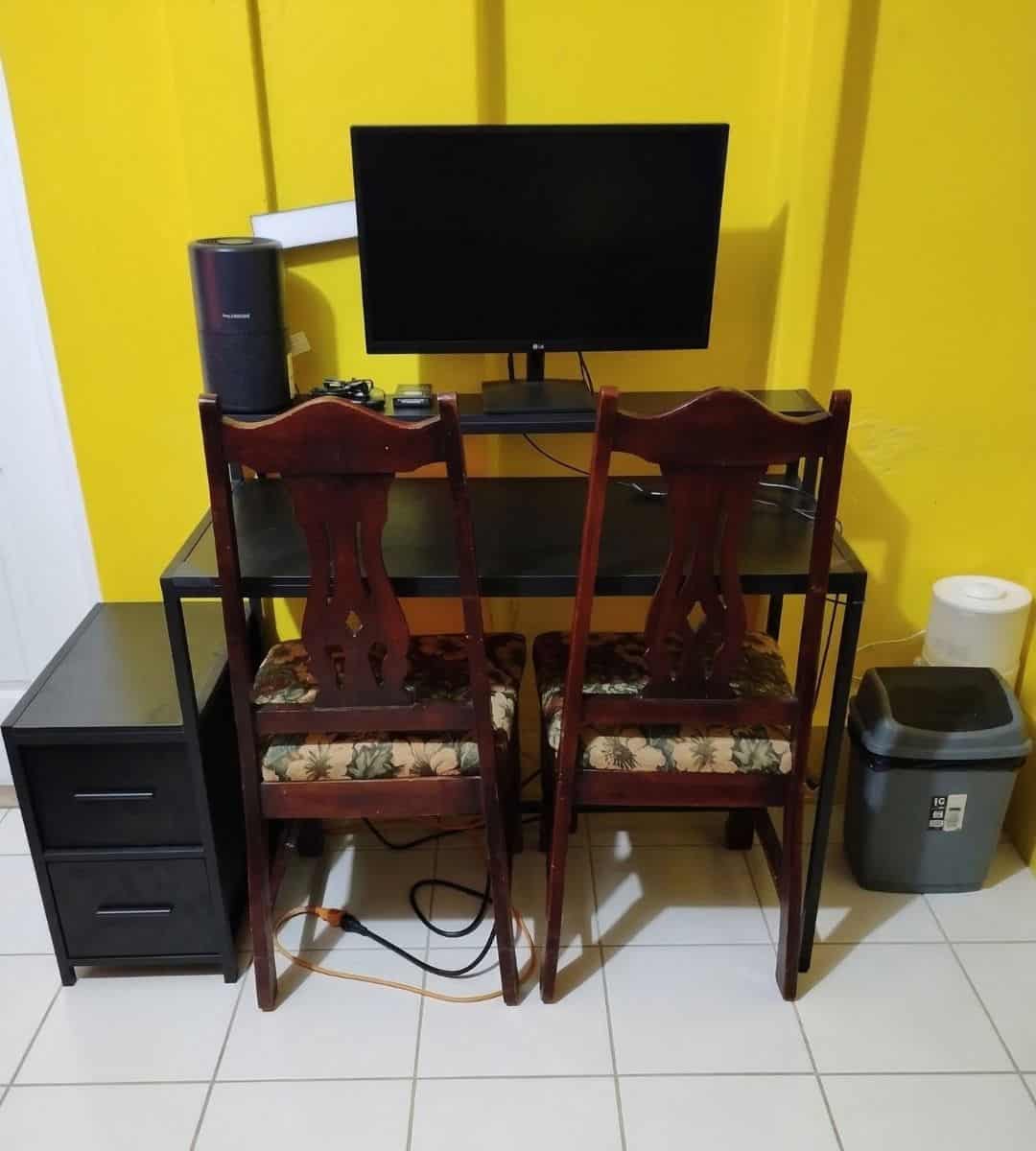
Live like a local in a shared dorm or private room with modern amenities
Daily project transfers and airport pickup and return
before your project begins, during your project and after you depart.
Throughout your project, enjoy outings to museums, ice cream, beaches & more
Project certificates & verification of your work hours after project completion
Shared dorm or private room with A/C
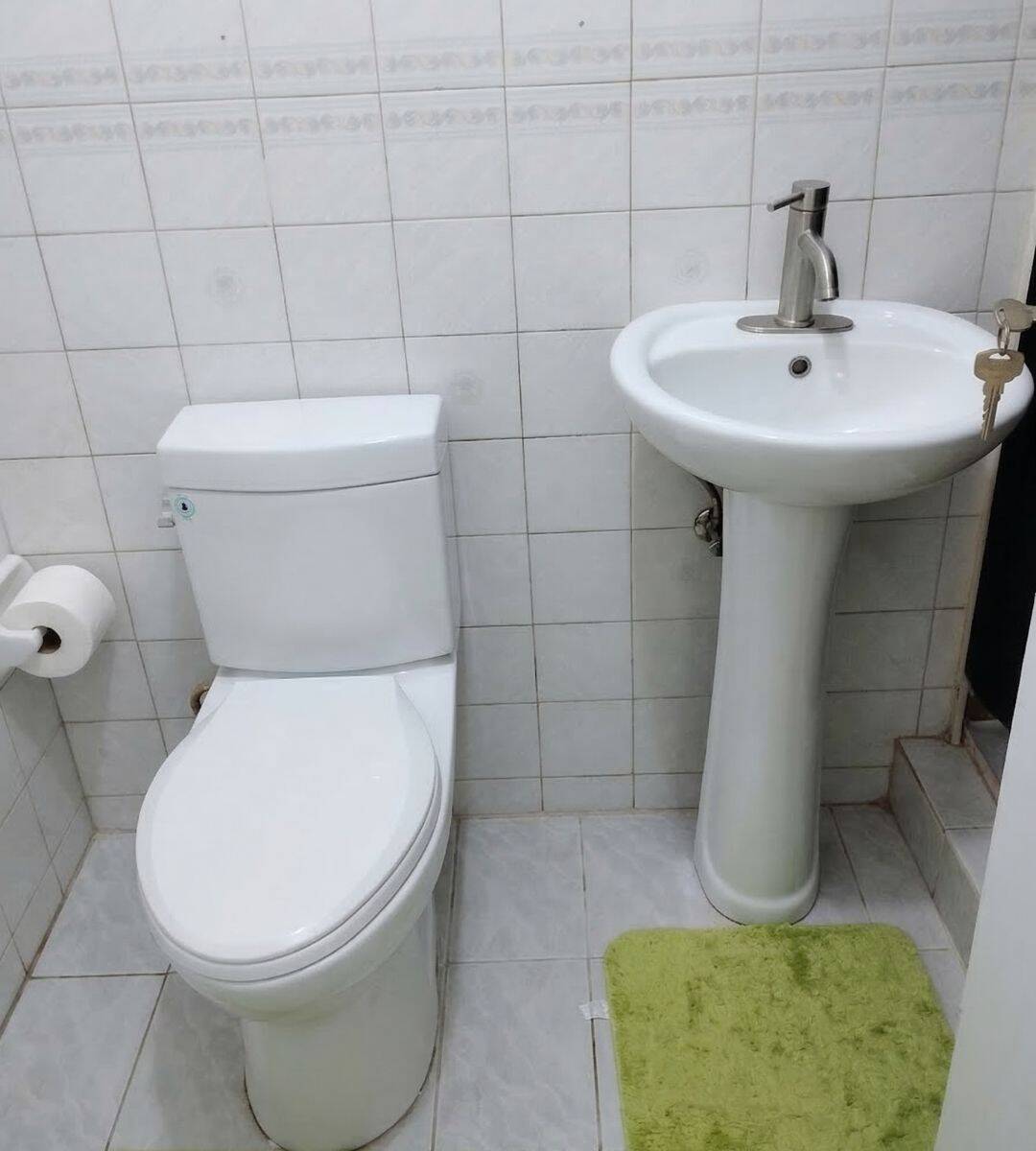
Clean bathrooms with hot shower
Free cable TV and Wi-Fi at your homebase
Secure home with cameras & panic button
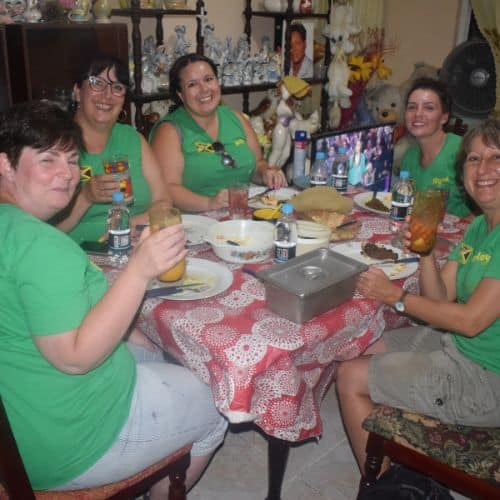
Quiet family homebase to live like a local
Clean towels, washrags, pillows & bed linen
Rooms and common areas cleaned daily
Nightlife like games night & cooking classes
Welcome giftbag with goodies from JIP
Here is the structure and support in place from your first day to your last:
When you are ready to apply, our simple enrollment process makes it straightforward. Our team is always just a quick call or message away.
Read this page carefully. Decide which agriculture track matches your coursework and career goals, and confirm with your institution what documentation they require if you are pursuing academic credit.
Read about Jamaica International Projects, browse reviews from past interns and volunteers, download our brochure, and check our FAQ.
Talk through this internship with your family, your academic advisor, or your department’s internship coordinator. If you need specific documentation for academic credit, identify that requirement now.
Reach out to our team and we will pair you with a Project Advisor who will review your background, identify the right track and host farm, and guide you through every step.
Complete the application form. Applying is not a commitment — it helps us match you to the right placement. We respond within 48 hours.
Schedule a virtual meeting with your Project Advisor to discuss your coursework, your goals, and the track and host farm that fit best.
After your meeting, you receive a personalized offer email with your total cost, sample project scope, and a checklist of documents to submit.
Pay your Enrollment Fee and Project Tuition to lock in your placement and start date.
Once payment is confirmed, gather and send the following:
About a month before your start date, we hold a 30-minute onboarding session confirming your host farm, track, and any specific fieldwork gear requirements, plus access to our online Jamaican culture, language, and travel safety courses.
Confirm your passport is valid for your full trip. Check visa requirements for Jamaica based on your nationality. Purchase travel medical insurance covering your internship dates. Book your flights into Kingston.
Confirm all fees are paid and documents submitted. Pack your fieldwork gear and travel essentials. Your host farm is ready for you.
No, for most tracks. Crop production, livestock support, and sustainability tracks are open to motivated students without prior farming experience. Research-focused and agribusiness placements benefit from relevant academic enrollment. Be honest about your background in your application and we will match you accordingly.
Yes, depending on your track. Crop production and livestock placements involve genuine physical fieldwork — outdoor conditions, manual labor, and early starts. Agribusiness and research-focused tracks involve less physical labor and more documentation and analysis. Tell us your preferences and physical considerations during your application.
It may, depending on your institution. We provide detailed documentation — a project brief, completion letter, supervisor reference, and certificate — that many agricultural science programs accept for internship or practicum credit. Confirm specific requirements with your academic coordinator before applying.
This depends on your host farm and the season. Common placements involve coffee, banana, allspice, ginger, cocoa, vegetable crops, and smaller livestock operations. Your exact placement is confirmed once matched, typically two to three weeks before your start date.
Flights, daily lunch, personal spending money, optional weekend excursions, travel insurance, visa fees where applicable, and work boots or other personal fieldwork gear are all outside the program fee. A full breakdown is included in your offer email.
Yes. Contact your Project Advisor and we will extend your placement at the additional weekly rate, subject to your host farm’s seasonal needs.
Yes. All placement farms are vetted, your placement is background-checked, and a Project Advisor is reachable throughout your internship via a 24/7 emergency line.


All Year Round
1-12 Weeks
Placement Only and Full Project
After you apply we will confirm availability and whether you are accepted within 48 hours.
Enroll in the project format you want below. Full Projects and Trips have payment plan options available.
We are updating our website to give you the best browsing experience. Please bear with us. You can still browse, submit forms, make a purchase or contact us.