Join our human rights volunteer abroad program in Jamaica and work alongside legal professionals, NGOs, and community organizations to promote access to justice, protect the rights of vulnerable populations, and contribute to a more equitable society. Open to law students, qualified lawyers, human rights advocates, and social justice professionals.
Jamaica is a country of tremendous culture, beauty, and resilience — and like many developing nations, it faces persistent human rights challenges that its own legal and advocacy infrastructure struggles to address alone. Access to justice remains deeply unequal. Vulnerable populations — including women experiencing domestic violence, children in difficult circumstances, individuals with limited education, and communities navigating land disputes or police misconduct — frequently lack the legal knowledge, the representation, or the institutional support needed to protect their rights.
Our human rights volunteer abroad program places lawyers, law students, legal advocates, and social justice professionals inside this gap. Depending on your background and qualifications, you might be supporting legal aid clinics, conducting community education sessions on rights and legal processes, assisting NGOs with research and documentation, helping individuals understand their legal options, or contributing to advocacy campaigns that push for systemic change. This is meaningful legal and human rights work in a setting where it is genuinely needed — not a simulation, not a case study.
Whether you are a practicing attorney seeking international legal volunteer experience, a law student looking to complete a legal aid placement abroad, a human rights researcher gathering field data, or an advocate motivated by social justice and community empowerment, our program has a role designed around what you bring. Apply now and put your legal knowledge to work where it matters most.
Jamaica offers a combination of genuine legal need, a functioning but under-resourced legal system, and an extraordinary cultural environment that makes volunteering here both professionally valuable and personally memorable. Here is why this program is worth choosing:
For 1-day or placement-only human rights volunteer abroad projects, placements are available at legal aid centers, NGOs, community organizations, and advocacy bodies in Montego Bay, Falmouth, Kingston, and St. Catherine. Full project placements are offered in Kingston and St. Catherine only.
This program is designed for anyone with a background in, or serious commitment to, law, human rights, and social justice. Qualified lawyers and barristers contribute at an advisory and legal education level. Law students gain practical hours and international experience. Human rights researchers, advocates, policy professionals, and social justice workers contribute through documentation, outreach, and campaign support. No formal legal qualification is required for non-clinical roles.
This depends on the role you take on. For legal advisory, legal aid, and direct client-facing roles — providing legal information, assisting with documentation, or supporting case preparation — you should be a qualified lawyer, barrister, or an advanced law student working under formal supervision. Legal research, human rights documentation, advocacy, and community education roles are open to volunteers without formal legal qualifications, including pre-law students, policy advocates, and social justice professionals. All volunteers working in sensitive case areas — domestic violence, child protection, criminal matters — must be prepared to follow strict confidentiality protocols and work within the guidance of the supervising legal team.
The minimum age to enroll independently is 18 years old due to the sensitivity of the legal and human rights casework involved. Once your application is accepted, submit the following before your project begins:
Jamaica’s human rights and legal landscape is broad and multifaceted. When you apply, your Project Advisor will help you identify the areas that best match your background, interests, and qualifications. The main areas of focus within our human rights volunteer abroad program include:
Assisting individuals who cannot afford legal representation with understanding their rights, navigating legal processes, completing forms and documentation, and connecting with formal legal services. This is among the most direct and impactful work available to legal volunteers abroad.
Working alongside women’s rights organizations and domestic violence support centers to provide legal information, support survivors through legal processes, and contribute to advocacy campaigns for stronger legislative protections.
Supporting organizations working with children in difficult circumstances — including those in the child welfare system, children affected by poverty, and those at risk of exploitation — through rights education, advocacy, and legal documentation support.
Running ‘know your rights’ workshops in schools, communities, and churches — teaching Jamaicans about their constitutional rights, tenant and property rights, employment law, and how to interact with the police and court system.
Assisting workers and labor organizations with understanding employment rights, supporting individuals in workplace disputes, and contributing to advocacy for fairer labor standards and enforcement.
Contributing to reform advocacy, legal education programs within correctional facilities, and research on conditions and due process standards in the Jamaican prison system.
Conducting field research, gathering case data, and contributing to reports and documentation that human rights organizations use to advocate for policy change and legal reform.
Given the range of legal and human rights areas available and the varying qualifications of our volunteers, pre-arrival planning is particularly important on this program. Before you arrive, your Project Advisor will hold a detailed planning session to discuss your background, your specific areas of interest, the organizations you will be working with, and the activities that are appropriate to your level of qualification. Clear goal-setting before you arrive means every hour of your placement is used effectively.
All activities are matched to your qualifications and confirmed with your placement organization before you arrive.
Your Project Advisor accompanies you to your placement on day one. You will meet your supervising legal professionals or NGO team, receive an orientation of the organization and its work, understand the specific cases, campaigns, or programs you will be contributing to, and be briefed on confidentiality requirements, client safeguarding protocols, and any specific legal or ethical considerations relevant to your role. The first day is foundational — getting the context right is what makes the rest of your placement effective.
Legal and advocacy sessions typically run through the morning and early afternoon. After that, Jamaica is yours to explore. Our partner adventure company runs tours across the island — beaches, waterfalls, Blue Mountains, cultural sites, and local food experiences. For volunteers with a human rights focus, exploring Jamaican history — its colonial past, its independence movement, its constitutional framework — is professionally relevant context that makes your work in the field richer and more informed.
You receive an official Volunteer Certificate signed by our Managing Director confirming your project, your placement organization, and the hours completed. For law students who need documentation of pro bono hours, supervised legal work, or academic credit, or for qualified lawyers who need records for continuing legal education requirements, we work with your supervising legal team and placement organization to produce the most complete and formally acceptable record possible.
By paying the enrollment fee, you are guaranteed a placement within our project and your dates are secured
Placement Only Enrollment Fee
One-Time Fee
1-Day Enrollment Fee
Start at
$150
Full projects include accommodation, meals, transportation and in-country support
$1,210
Total
$2,800
Total
$795
Per Additional Week
within an organization in Jamaica where you will volunteer or intern
at your project work site to support your project and make an impact
Di Real Jamaican membership is a mini course that teaches you about Jamaica
Full breakfast and dinner each day, and we cater to all diets or allergies
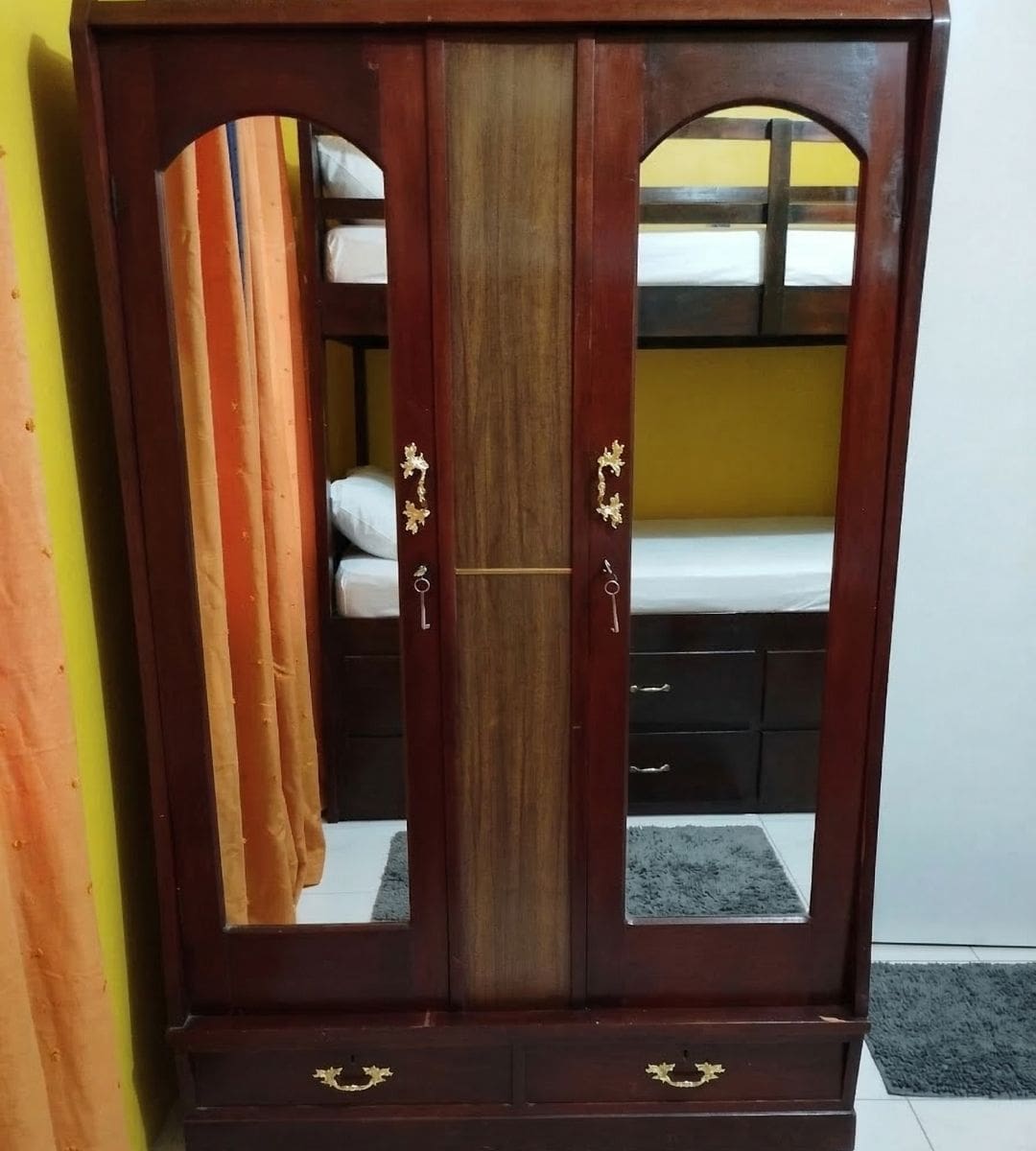
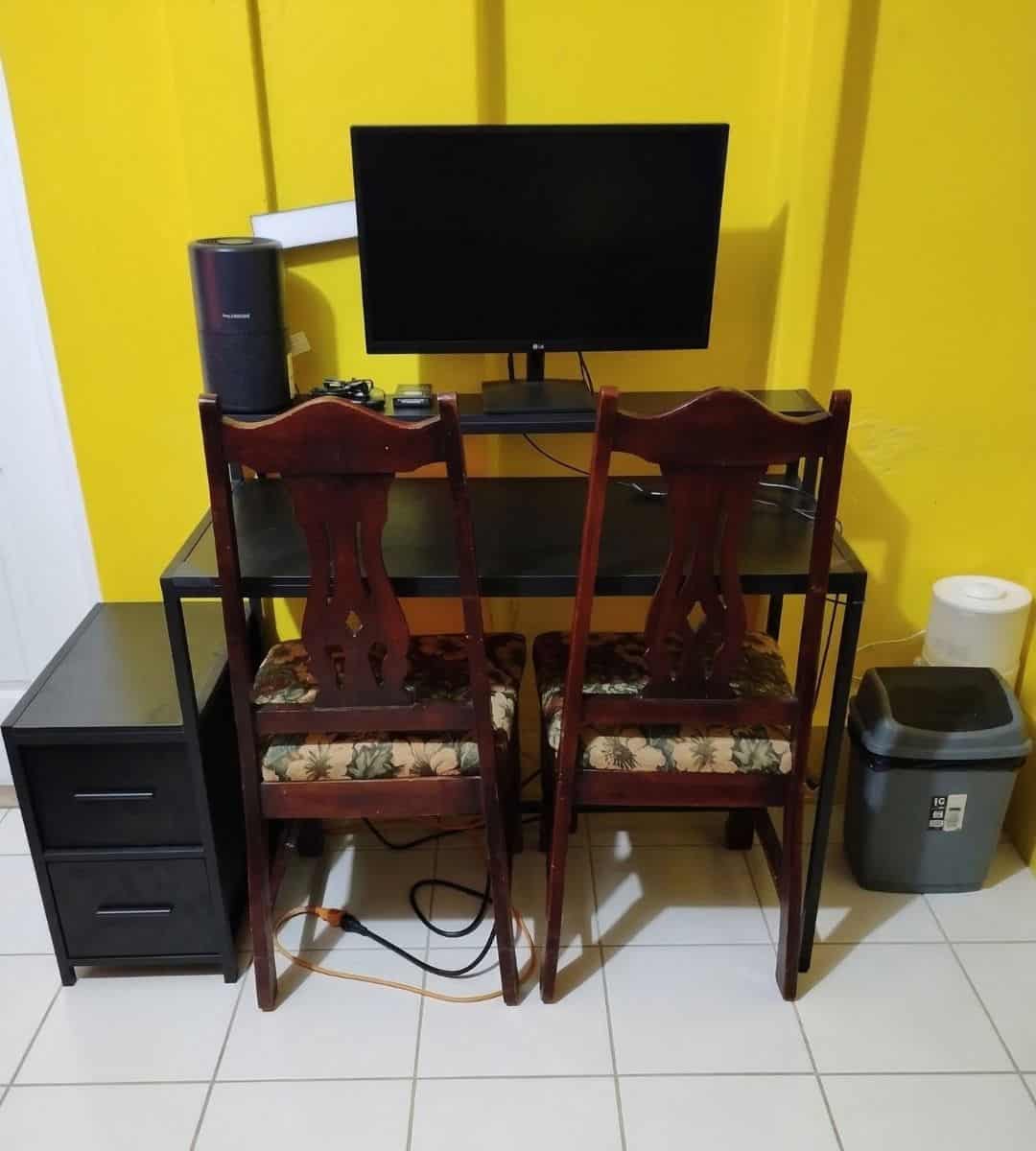
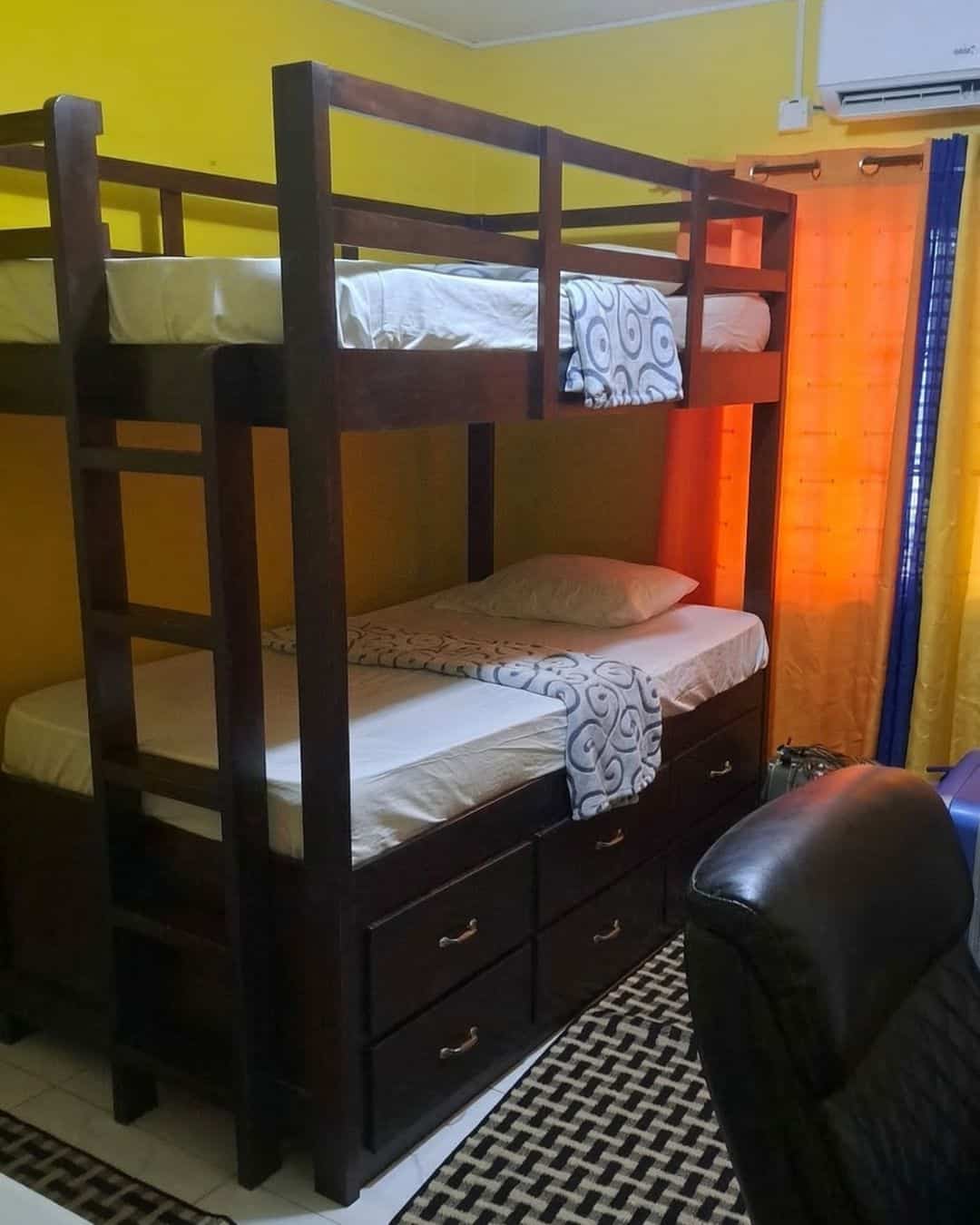
Live like a local in a shared dorm or private room with modern amenities
Daily project transfers and airport pickup and return
before your project begins, during your project and after you depart.
Throughout your project, enjoy outings to museums, ice cream, beaches & more
Project certificates & verification of your work hours after project completion
Shared dorm or private room with A/C
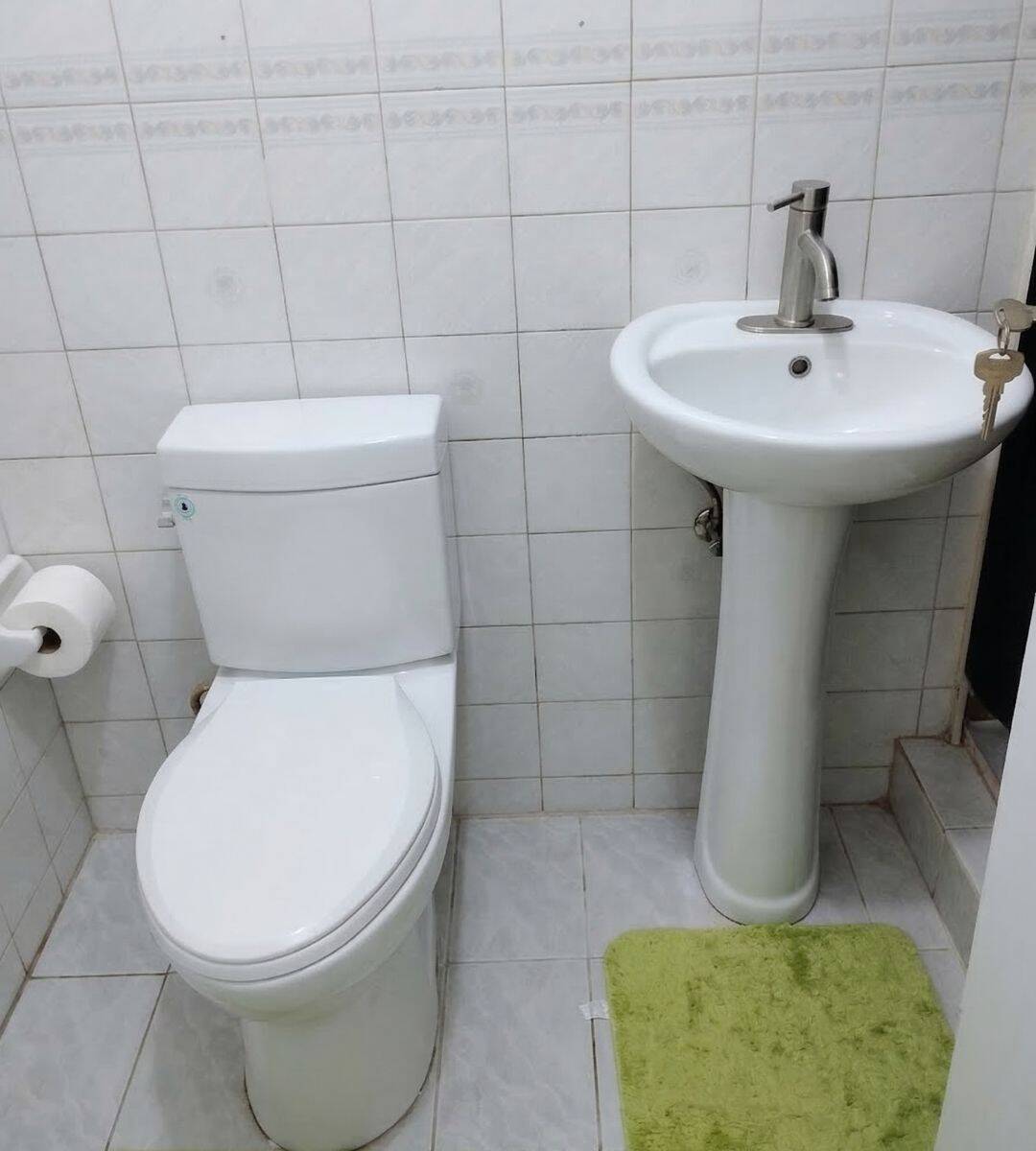
Clean bathrooms with hot shower
Free cable TV and Wi-Fi at your homebase
Secure home with cameras & panic button
Quiet family homebase to live like a local
Clean towels, washrags, pillows & bed linen
Rooms and common areas cleaned daily
Nightlife like games night & cooking classes
Welcome giftbag with goodies from JIP
Here is the structure and support you can count on throughout your placement:
When you are ready to apply for our human rights volunteer abroad program in Jamaica, you can begin our simple enrollment process. Our team is always just a quick call or message away. Follow these steps to start planning and preparing for the volunteer experience of a lifetime.
Read this page carefully. Consider which area of human rights and legal work matches your background and interests most closely, whether you qualify for legal advisory roles or will be contributing at an education and advocacy level, and what specific outcomes you need to document when your project ends.
Read about us, browse reviews from past volunteers, download our brochure, and check our FAQ. Understanding how Jamaica International Projects operates will help you get the maximum value from your placement.
Talk through this project with your family, your law school professor, your bar association mentor, or your employer. If you are seeking pro bono hours, academic credit, or continuing legal education recognition, involve your institution or bar association coordinator early to understand what documentation they need from us.
Reach out to our team and we will pair you with a Project Advisor who will review your background, identify the most appropriate placement for your qualifications and goals, and walk you through every step from application to your first day in the field.
Complete the application form. Applying is not a commitment — it gives us the information we need to match you to the right human rights volunteer placement, plan your project accurately, and advise you on what to expect. We respond to every application within 48 hours.
Schedule a virtual meeting with your Project Advisor via Zoom, Google Meet, or phone. We will go through your legal background in detail, discuss your goals, identify the specific rights area and organization that best suits your profile, and agree on the shape of your placement.
After your meeting, you will receive a personalized offer email with your total cost, a sample project schedule, a full breakdown of what is included, and a checklist of documents to submit before your start date.
Pay your Enrollment Fee and Project Tuition to lock in your human rights volunteer placement and start date. Full payment upfront or a payment plan — let your Project Advisor know which works for you.
Once payment is confirmed, gather and send the following:
About a month before your start date, we hold a 30-minute onboarding session on Zoom or Google Meet. You receive a formal welcome, a virtual orientation of Jamaica and your placement organization, a briefing on the specific legal and human rights work you will be involved in, and access to our online Jamaican culture, language, and travel safety courses to complete before you leave home.
Confirm your passport is valid for the full duration of your trip. Check visa requirements for Jamaica based on your nationality. Purchase a travel medical insurance plan covering your volunteer program dates. Book your flights into Montego Bay or Kingston.
Confirm all fees are paid and all documents submitted. Ensure any pro bono or academic forms requiring supervisor sign-off are ready to bring with you. Pack your professional kit, your reference materials, and your commitment to justice. Your placement team is ready for you.
No. Legal advisory, client-facing, and case support roles require appropriate legal qualifications. But community rights education, human rights research and documentation, advocacy support, and NGO operational work are open to volunteers without formal legal training. Pre-law students, policy advocates, social justice workers, and community organizers all contribute meaningfully to these programs.
Family law and domestic violence, criminal law and due process, employment and labor law, children’s rights and child protection, property and land rights, and constitutional and civil rights are the most active areas in the Jamaican legal aid and human rights landscape. Your placement will be matched to the area that best fits your background and the current priorities of the organizations you are working with.
It may be possible, depending on your bar association or institution. We provide detailed documentation of your work — hours logs, activity descriptions, supervisor confirmations, and a formal completion certificate. Whether pro bono hours are recognized by your bar, or whether your law school grants academic credit for the placement, depends entirely on their policies. Involve your coordinator or supervisor before you apply to understand what format they require from us.
A qualified lawyer might spend the morning at a legal aid clinic reviewing client cases and advising on rights and options, and the afternoon contributing to an advocacy report or supporting a community education session. A law student might observe court proceedings, assist with legal research on Jamaican case law, and help facilitate a rights workshop at a community center. A human rights advocate might spend the day conducting interviews for a documentation project or running a session on domestic violence legal protections with a women’s group. Your Project Advisor helps structure each week to match your role.
Jamaica’s legal system is rooted in English common law — so if you are from the UK, Canada, Australia, or another common law jurisdiction, the foundational framework will be familiar. That said, the practical realities of Jamaican legal practice — the resource environment, the community relationships, the enforcement gaps — differ meaningfully. That difference is what makes volunteering here professionally formative rather than simply confirmatory.
Yes. All placement organizations are vetted, transport is handled by licensed drivers, accommodation is in a secure family home with cameras and a panic button, and a first-aid certified Project Advisor is available throughout your stay. You will complete our online travel safety course before arriving. More on our safety standards can be found on our website.
Flights, daily lunch (~$3–5 USD), personal spending money, optional weekend excursions, travel insurance, visa fees where applicable, and personal professional materials such as a laptop are all outside the program fee. A full, itemized breakdown is included in your offer email.
Yes. We welcome groups from the same law school, bar association chapter, or law firm doing a group pro bono placement. Each volunteer is placed and supervised according to their individual qualifications and goals. Contact us to discuss group coordination, documentation, and logistics.
Our fundraising guide walks you through crowdfunding, law school travel grants, bar association international pro bono funds, and employer pro bono support programs. Many law schools, international legal organizations, and human rights foundations offer grants for exactly this type of placement — and many of them receive far fewer applications than they have budget for.


All Year Round
1-3 Days | 1-12 Weeks
1 Day, Placement Only, Virtual and Full Project
After you apply we will confirm availability and whether you are accepted within 48 hours.
Enroll in the project format you want below. Full Projects and Trips have payment plan options available.
We are updating our website to give you the best browsing experience. Please bear with us. You can still browse, submit forms, make a purchase or contact us.