Join our diabetes volunteer abroad program in Jamaica and help communities where the burden of diabetes is severe, access to specialist care is limited, and the difference between knowing and not knowing can be a matter of life and limb. Open to healthcare professionals, students, educators, and passionate community advocates.
Jamaica has one of the highest rates of diabetes in the Caribbean. Roughly one in eight Jamaican adults lives with the condition — and a significant proportion of those are either undiagnosed or poorly managed. The consequences are devastating. Diabetic complications including kidney failure, blindness, cardiovascular disease, and lower limb amputation are common. They are also, in many cases, entirely preventable — with the right education, the right screening, and the right support.
That is where our diabetes volunteer abroad program steps in. As a diabetes volunteer in Jamaica, you will work at the intersection of clinical care, community health, and public education. Depending on your background, you might be supporting blood glucose screening clinics in under-served communities, assisting endocrinologists and diabetes nurses in hospital or clinic settings, running lifestyle education sessions for patients and families, or conducting outreach with high-risk populations who have never had their blood sugar tested. This is applied, community-facing diabetes work where your effort translates directly into better health outcomes for real people.
Whether you are a qualified endocrinologist, a diabetes nurse, a dietitian with clinical diabetes experience, a medical or nursing student completing a diabetes elective abroad, or simply someone with a strong commitment to public health and diabetes education, this program gives you a placement that is both professionally meaningful and personally transformative. Apply now and help change the numbers.
Jamaica’s diabetes epidemic is severe, underfunded, and entirely within reach of meaningful intervention. Here is why volunteering here makes sense:
Jamaica has one of the highest rates of diabetes in the Caribbean. Roughly one in eight Jamaican adults lives with the condition — and a significant proportion of those are either undiagnosed or poorly managed. The consequences are devastating. Diabetic complications including kidney failure, blindness, cardiovascular disease, and lower limb amputation are common. They are also, in many cases, entirely preventable — with the right education, the right screening, and the right support.
That is where our diabetes volunteer abroad program steps in. As a diabetes volunteer in Jamaica, you will work at the intersection of clinical care, community health, and public education. Depending on your background, you might be supporting blood glucose screening clinics in under-served communities, assisting endocrinologists and diabetes nurses in hospital or clinic settings, running lifestyle education sessions for patients and families, or conducting outreach with high-risk populations who have never had their blood sugar tested. This is applied, community-facing diabetes work where your effort translates directly into better health outcomes for real people.
Whether you are a qualified endocrinologist, a diabetes nurse, a dietitian with clinical diabetes experience, a medical or nursing student completing a diabetes elective abroad, or simply someone with a strong commitment to public health and diabetes education, this program gives you a placement that is both professionally meaningful and personally transformative. Apply now and help change the numbers.
Jamaica’s diabetes epidemic is severe, underfunded, and entirely within reach of meaningful intervention. Here is why volunteering here makes sense:
This program is designed for anyone who cares about diabetes and wants to do something concrete about it in a community that genuinely needs them. Qualified endocrinologists, diabetes nurses, and dietitians take on clinical and therapeutic roles. Medical and nursing students complete supervised diabetes elective placements. Pre-medical students, public health students, and health advocates contribute through community screening, patient education, and outreach programs. Up to 40 volunteer hours per week, with certificates of completion provided.
This depends on the role you take on. For clinical placements — assisting with patient assessment, supporting diabetes management clinics, advising on medication and insulin protocols, or working within hospital endocrinology units — you should be a qualified healthcare professional or an enrolled medical or nursing student under formal supervision. For community outreach, health screening, and patient education roles, no formal medical qualification is required. What matters is a genuine commitment to the work, the ability to communicate clearly with diverse communities, and a willingness to follow the guidance of your supervising clinical team. Please describe your background clearly in your application so your placement can be matched accurately.
The minimum age to enroll independently is 16 years old. Volunteers under 16 must be accompanied by an adult. Once your application is accepted, submit the following before your project start date:
Before your arrival, your Project Advisor will hold a planning session to discuss your qualifications, your clinical goals, and the specific sites and communities where you will be placed. Jamaica’s diabetes burden is driven by identifiable, addressable factors — high sugar and carbohydrate intake, physical inactivity, poor awareness of pre-diabetes, limited access to blood glucose monitoring, and inconsistent medication adherence. Your project activities will be designed to tackle these factors directly, in the communities and settings where they are most acute.
All activities are matched to your qualifications and agreed with your clinical supervisor and placement site before you arrive.
Your Project Advisor accompanies you to your placement on day one. You will meet your supervising clinical team or community health coordinator, receive an orientation of the site and patient population, understand the specific diabetes programs you will be working within, and be briefed on protocols and documentation requirements. The first day is about building the foundation — getting to know the team, the patients, and the community before you begin contributing independently. No volunteer is expected to function without proper orientation and support.
Clinical and outreach sessions typically run through the morning and into early afternoon. After that, Jamaica is yours. Our partner adventure company runs tours across the island — waterfalls, beaches, Blue Mountain hikes, Reggae museums, and local food experiences. From a diabetes perspective, you will also find Jamaica’s food culture — its reliance on sugary drinks, fried foods, and refined carbohydrates alongside its extraordinary fresh produce and traditional cooking — to be a fascinating professional lens. Your host family’s kitchen alone will teach you a great deal about the dietary challenge you are working to address.
You receive an official Volunteer Certificate signed by our Managing Director confirming your project, your placement site, your hours, and the nature of your contribution. For medical and nursing students needing formal elective documentation, or professionals requiring records for continuing education credits or licensing applications, we work with your supervising clinician and placement site to produce the most complete and formally acceptable record possible.
Yes. If you are a medical student, nursing student, or dietetics student requiring a formally structured internship with defined learning objectives, formal clinical supervision, assessed competencies, and signed documentation, we can work with your institution to tailor the program accordingly. Contact us during your application with your institution’s specific requirements and we will coordinate with your placement supervisor to design a program that meets them.
By paying the enrollment fee, you are guaranteed a placement within our project and your dates are secured
Placement Only Enrollment Fee
One-Time Fee
1-Day Enrollment Fee
Start at
$150
Full projects include accommodation, meals, transportation and in-country support
$1,210
Total
$2,800
Total
$795
Per Additional Week
within an organization in Jamaica where you will volunteer or intern
at your project work site to support your project and make an impact
Di Real Jamaican membership is a mini course that teaches you about Jamaica
Full breakfast and dinner each day, and we cater to all diets or allergies
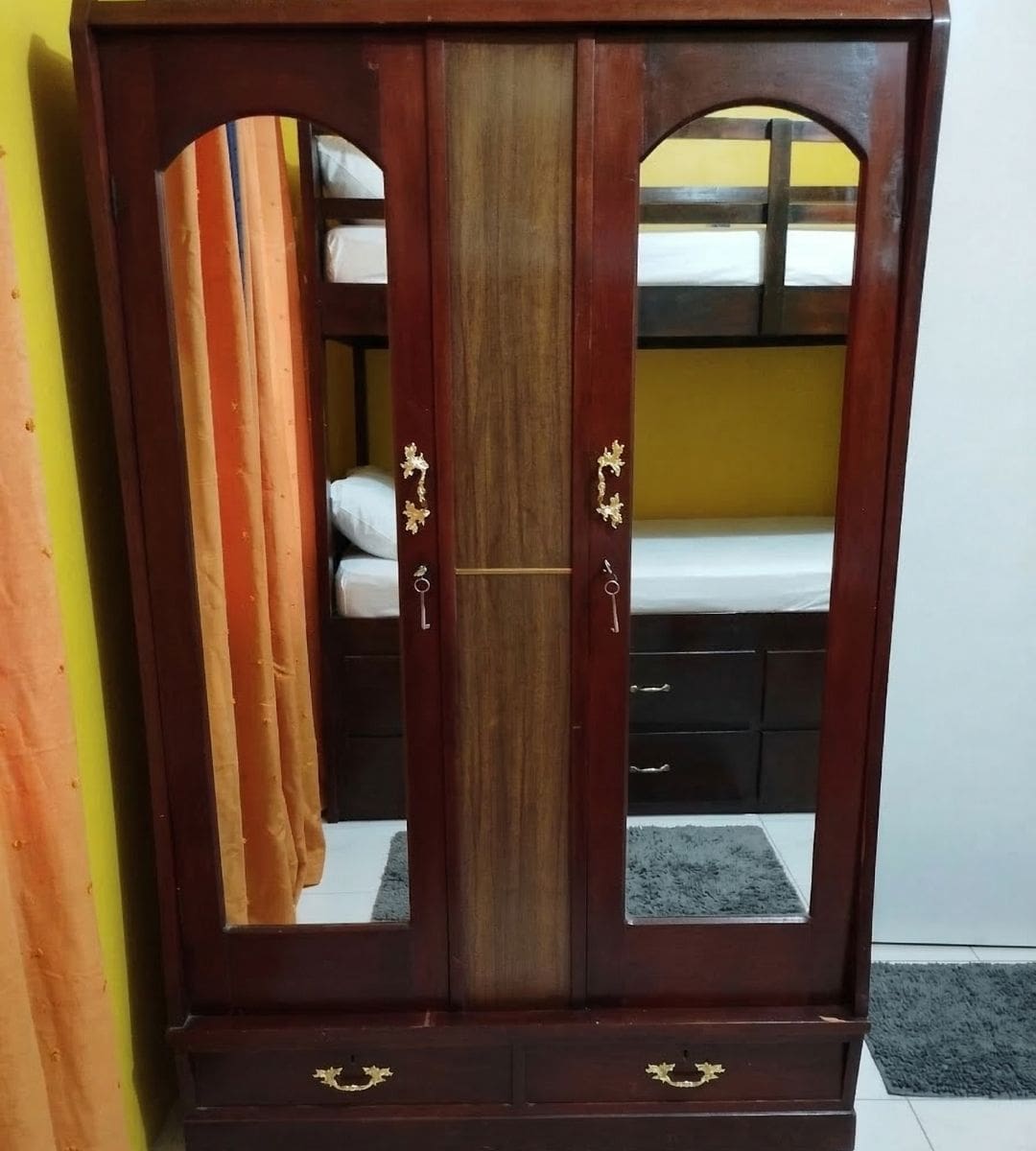
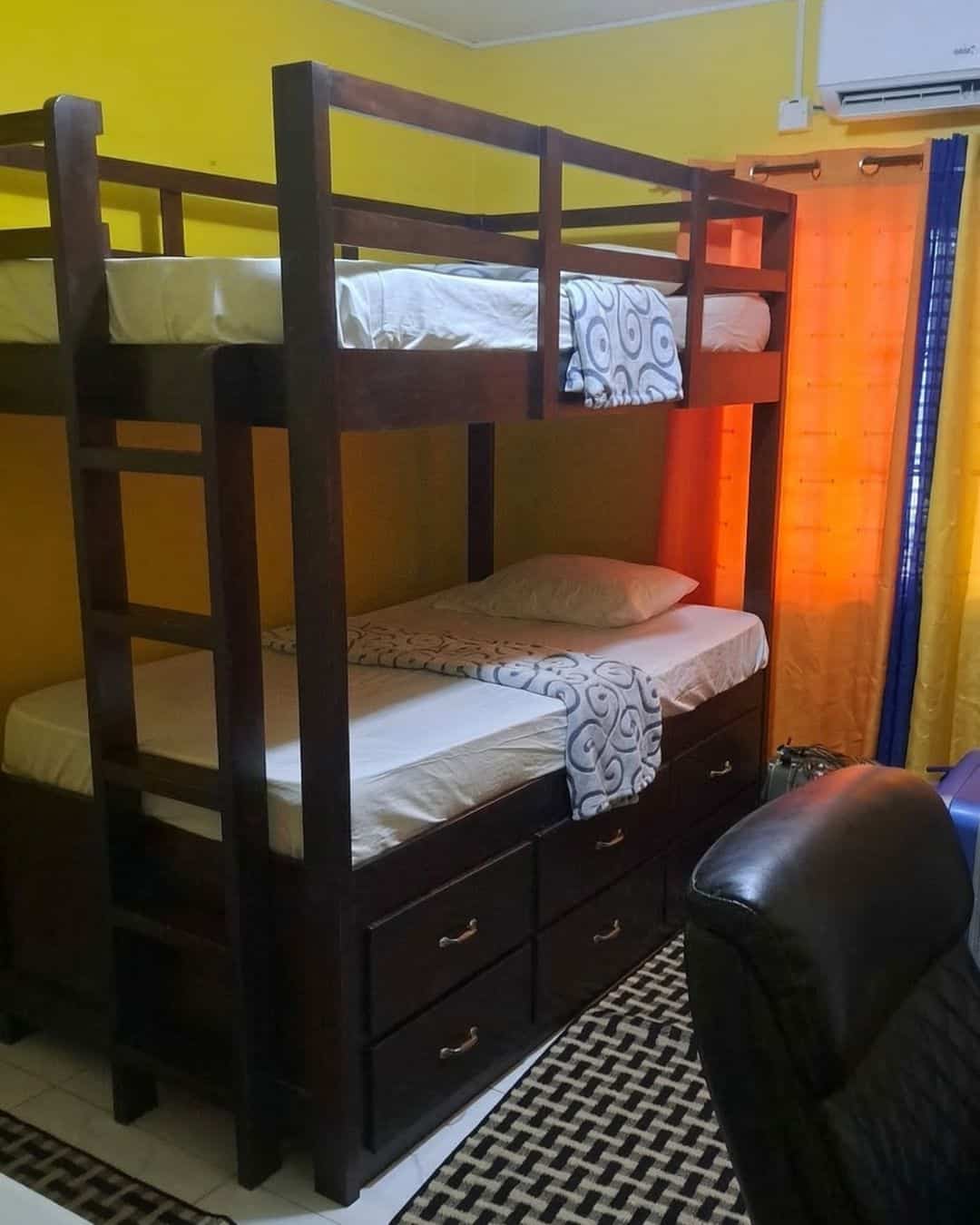
Live like a local in a shared dorm or private room with modern amenities
Daily project transfers and airport pickup and return
before your project begins, during your project and after you depart.
Throughout your project, enjoy outings to museums, ice cream, beaches & more
Project certificates & verification of your work hours after project completion
Shared dorm or private room with A/C
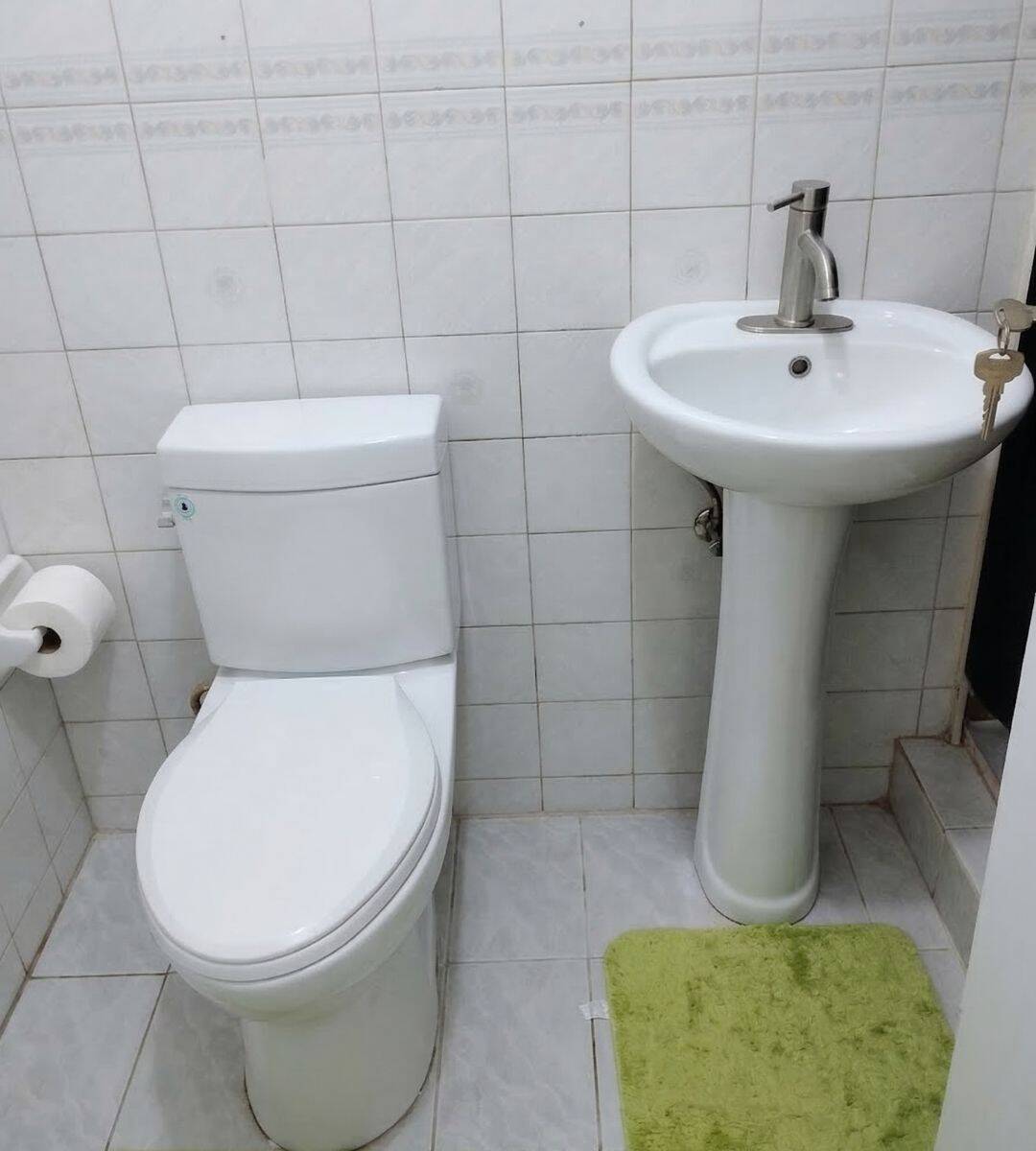
Clean bathrooms with hot shower
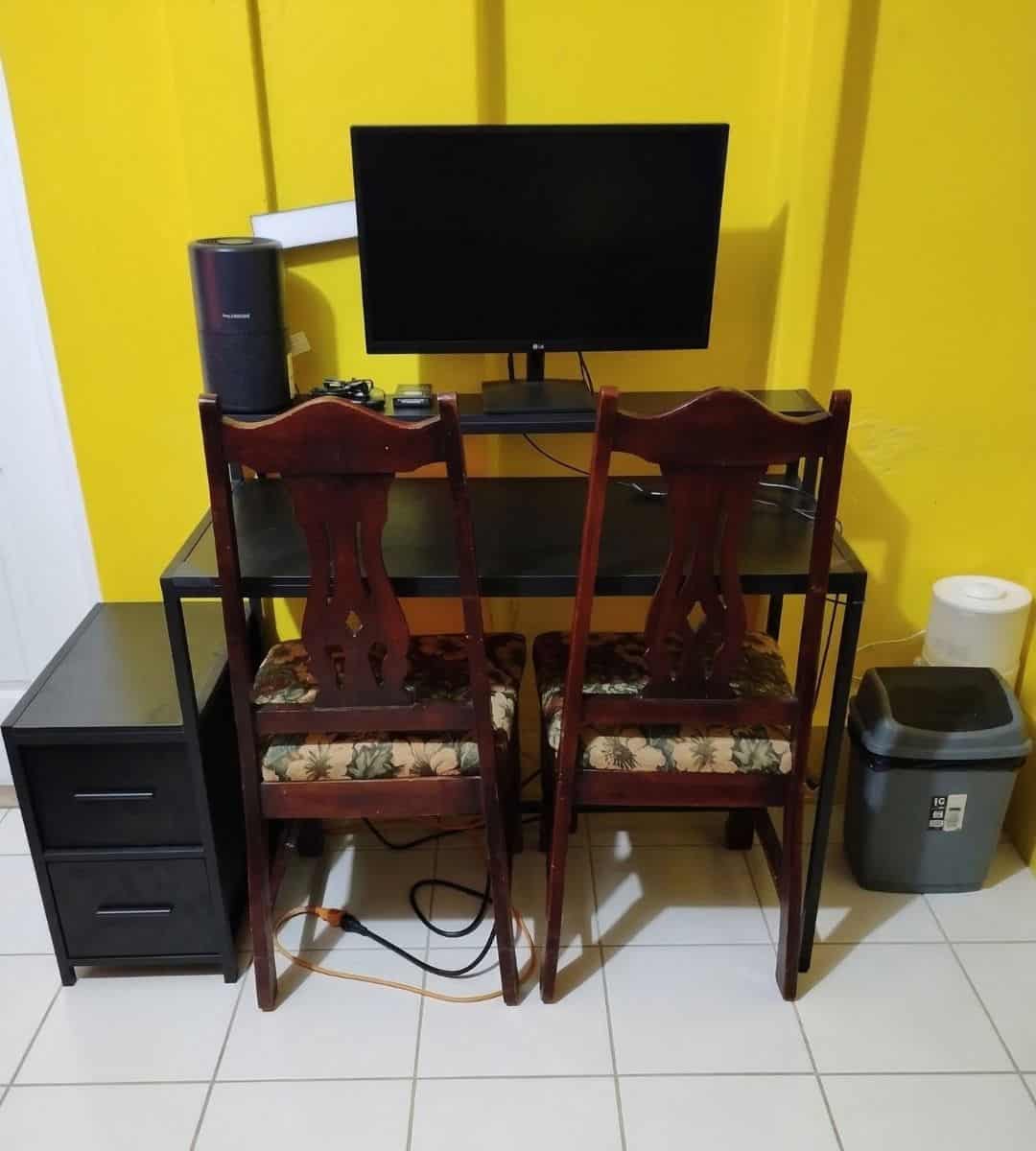
Free cable TV and Wi-Fi at your homebase
Secure home with cameras & panic button
Quiet family homebase to live like a local
Clean towels, washrags, pillows & bed linen
Rooms and common areas cleaned daily
Nightlife like games night & cooking classes
Welcome giftbag with goodies from JIP
Here is the structure and support in place from your first day in the field to your last:
When you are ready to enroll in our diabetes volunteer abroad program in Jamaica, you can begin our simple enrollment process. Our team is always just a quick call or message away. Follow these steps to start planning and preparing for the volunteer experience of a lifetime.
Read this page in full. Consider your qualifications, your clinical goals, and how much time you can commit. Think about whether you want to focus on clinical work, community outreach, patient education, or a combination of all three — and what specific outcomes you want to be able to document when your project ends.
Read about us, browse reviews from past volunteers, download our brochure, and check our FAQ. Understanding how Jamaica International Projects operates will help you get the most from your time with us.
Talk through this project with your family, academic supervisor, clinical mentor, or department head. If you are pursuing elective credit, continuing education hours, or supervised practice documentation, involve your institution’s coordinator early to understand what format they require from us.
Reach out to our team and we will pair you with a Project Advisor who will review your background, identify the most appropriate placement for your qualifications, and walk you through every step from application to your first day in the field.
Complete the application form. Applying is not a commitment — it gives us what we need to match you to the right diabetes volunteer placement, plan your project accurately, and advise you on what to expect. We respond to every application within 48 hours.
Schedule a virtual meeting with your Project Advisor via Zoom, Google Meet, or phone. We will go through your clinical background in detail, discuss your goals, and agree on the shape of your placement. Applicants under 18 must have a parent or guardian on the call.
After your meeting, you will receive a personalised offer email with your total cost, a sample clinical schedule, a full breakdown of what is included, and a checklist of documents to submit before your start date.
Pay your Enrollment Fee and Project Tuition to lock in your diabetes volunteer placement and start date. Full payment upfront or a payment plan — let your Project Advisor know which works best for you.
Once payment is confirmed, gather and send the following:
About a month before your start date, we hold a 30-minute onboarding session on Zoom or Google Meet. You receive a formal welcome, a virtual orientation of Jamaica and your diabetes volunteer placement site, an introduction to your supervising clinical team, and access to our online Jamaican culture, language, and travel safety courses to complete before you leave home.
Confirm your passport is valid for the full duration of your trip. Check visa requirements for Jamaica based on your nationality. Purchase a travel medical insurance plan covering your volunteer program dates. Book your flights into Montego Bay or Kingston.
Confirm all fees are paid and all documents submitted. Gather your clinical materials, printed education resources, and any blood glucose testing equipment you plan to bring. Then pack your bags — the patients and communities you are going to serve are waiting.
No. Clinical roles — patient assessment, medication management, insulin education, and hospital-based work — require appropriate qualifications. But community health screening, patient education, lifestyle coaching, and outreach work are open to volunteers without formal medical credentials. What matters at every level is your commitment and your willingness to work within the guidance of your supervising team.
Type 2 diabetes is by far the most prevalent — accounting for the vast majority of cases and driven primarily by dietary patterns, physical inactivity, and genetic predisposition. You will also encounter patients with poorly controlled hypertension, obesity, and metabolic syndrome alongside their diabetes, as these conditions frequently co-exist in the Jamaican population. The picture is complex, resource-constrained, and professionally fascinating.
It may be possible, depending on your institution. We produce detailed documentation for elective submissions and practice hour requirements — clinical activity logs, hours records, supervisor sign-offs, and a formal completion certificate. Whether credit is granted is your institution’s decision, so contact your academic coordinator before you apply to confirm what format they require.
A qualified clinician might assist with a morning diabetes outpatient clinic, review patient blood glucose logs, and lead an afternoon patient education group on insulin technique and meal planning. A student might observe ward rounds, practice blood glucose monitoring, and help run a community screening session. A community outreach volunteer might spend the morning at a school delivering a diabetes awareness session and the afternoon visiting a market to screen adults for high blood sugar. Your Project Advisor helps you structure each week to match your role and goals.
Yes, and we strongly encourage it. Printed patient education leaflets, blood glucose meters and test strips, insulin pens for demonstration, food models, and printed dietary guides are all enormously useful in the community settings you will be working in. After your acceptance, we send you a specific needs list from your placement site so you can bring targeted resources rather than guessing.
Yes. If you are a medical student, nursing student, or dietetics student requiring a formally structured internship with supervised learning objectives, assessed competencies, and signed documentation, we can tailor the program to meet your institution’s requirements. Let us know during your application what your program needs.
Yes. All placement sites are vetted, transport is handled by licensed drivers, accommodation is in a secure family home with cameras and a panic button, and a first-aid certified Project Advisor is available throughout your stay. You will complete our online travel safety course before arriving. More on our safety standards can be found on our website.
Flights, daily lunch (~$3–5 USD), personal spending money, optional weekend excursions, travel insurance, visa fees where applicable, personal clinical equipment, and printed education materials are all outside the program fee. A full, itemized breakdown is included in your offer email.
Yes. We welcome groups from the same institution, program, or professional association. Each volunteer is placed according to their individual qualifications and goals. Contact us to discuss group logistics and how to coordinate multiple applications.
Our fundraising guide walks you through crowdfunding, university travel bursaries, employer development budgets, and professional association grants. Many diabetes professional bodies, endocrinology societies, and public health organizations offer international placement grants that are frequently undersubscribed. It is always worth applying.


All Year Round
1-3 Days | 1-12 Weeks
1 Day, Placement Only, Virtual and Full Project
After you apply we will confirm availability and whether you are accepted within 48 hours.
Enroll in the project format you want below. Full Projects and Trips have payment plan options available.
We are updating our website to give you the best browsing experience. Please bear with us. You can still browse, submit forms, make a purchase or contact us.